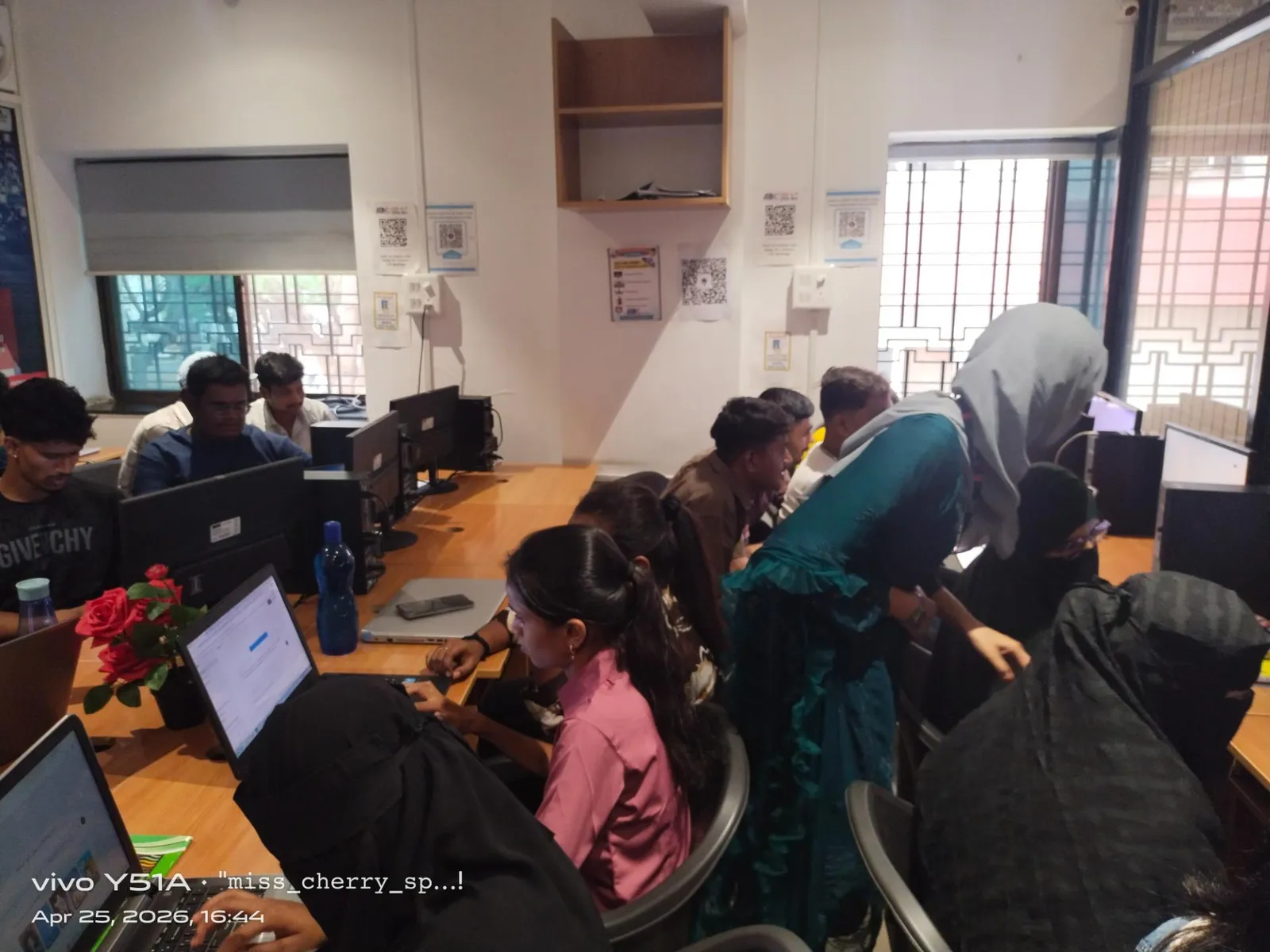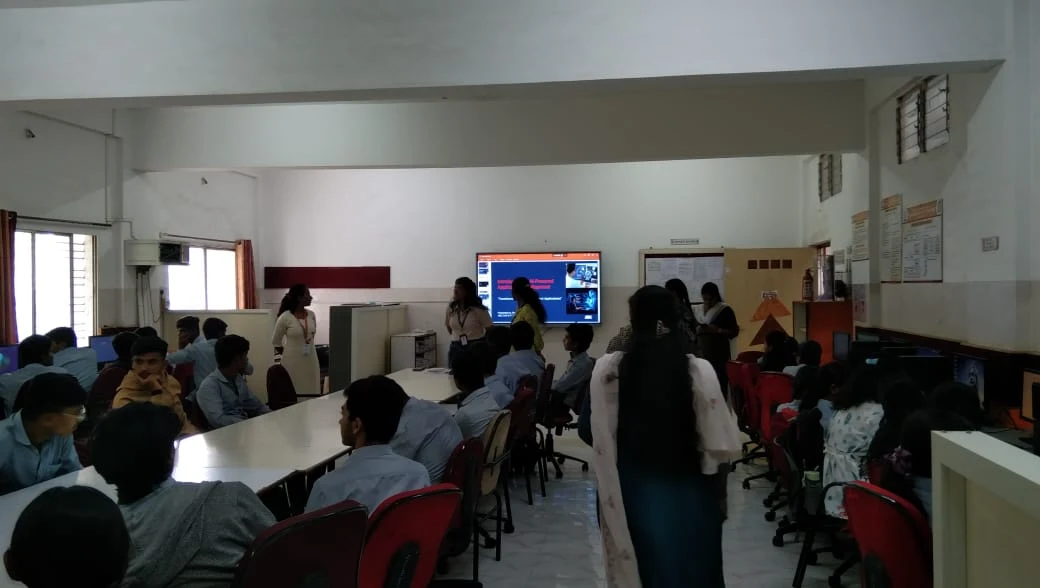
AI in infrastructure for engineers is no longer a future topic in India. It's already showing up in project planning rooms, BIM coordination meetings, site monitoring dashboards, and maintenance decisions across Pune, Mumbai, Nagpur, Nashik, and Chhatrapati Sambhajinagar. If you already know the basics of civil software and digital workflows, this is where things get interesting. This guide is for engineers who want to go beyond buzzwords and understand how AI actually fits into infrastructure work in 2026.
Here's the thing: most engineers hear “AI” and think of ChatGPT or image tools. But in real infrastructure projects, AI is more about prediction, pattern detection, planning support, anomaly alerts, document intelligence, and faster decisions from project data. Trust me, companies don't hire you just because you can say “AI.” They hire you when you can connect AI with BIM models, schedule data, inspection records, sensor feeds, and asset maintenance workflows.
What does AI in infrastructure actually mean for engineers?
At project level, AI means software systems learning from drawings, schedules, field reports, drone images, GIS layers, sensor data, and historical project records to support better decisions. For civil engineers, this can affect design review, quantity checks, clash prioritization, site risk detection, progress tracking, and predictive maintenance.
In practical terms, AI in infrastructure often sits on top of tools you may already know: Autodesk Construction Cloud, Revit 2025, Civil 3D 2025, Navisworks Manage 2025, Power BI, Python-based analytics, GIS platforms, and digital twin environments. What most people don't realize is that AI becomes useful only when your project data is clean, tagged properly, and connected across teams.
Which advanced AI workflows are actually used in infrastructure projects?
Let's get specific. The most useful advanced workflows are not flashy demos. They solve costly site and project problems.
1. Predictive maintenance from asset data
Bridges, water systems, roads, pumping stations, and industrial infrastructure produce maintenance records over time. AI models can study failure history, load patterns, temperature trends, vibration data, and inspection logs to flag which asset is more likely to fail next. This is valuable for municipal infrastructure, manufacturing campuses, and utility networks.
Siemens, Bosch, Thermax, and Kirloskar-style industrial environments already value engineers who understand maintenance analytics. If you can read sensor trends, classify anomalies, and convert them into maintenance recommendations, you'll stand out.
2. Computer vision for site monitoring
Drone captures, CCTV feeds, and mobile site photos can be used for progress verification, unsafe zone detection, material movement tracking, and surface defect identification. The good news is, you don't need to become a full AI researcher. You need to understand how image data is collected, labeled, checked, and compared against planned progress.
For example, if a highway package is behind plan, AI-assisted image review can help identify under-completed stretches faster than manual photo checking. On large sites, that saves serious reporting time.
3. BIM plus AI for clash prioritization
Basic clash detection is old news. Advanced teams now focus on clash prioritization. Not every clash matters equally. AI-supported workflows can rank clashes by construction impact, trade dependency, access constraints, and likely rework cost. That's a major shift from simply exporting a long clash report nobody reads.
This matters on complex buildings, industrial plants, metro projects, and hospitals where MEP, structure, and architectural teams overlap heavily.
4. Schedule risk forecasting
When AI models are fed with past project delays, weather patterns, procurement delays, subcontractor performance, and current progress data, they can flag schedule risks early. L&T, Tata Technologies, Mahindra Engineering, and large EPC environments value engineers who can combine planning logic with data dashboards.
How do you prepare project data so AI tools actually work?

This is where advanced users separate themselves from beginners. AI is only as useful as the data you feed it. If naming conventions are inconsistent, issue logs are incomplete, or model elements are poorly classified, your output will be weak.
Start with these industry-standard habits:
- Use consistent file naming across drawings, models, reports, and revisions
- Tag model elements by discipline, zone, level, package, and status
- Maintain clean issue registers with dates, owners, and root causes
- Structure maintenance records in tabular format for analysis
- Link BIM data with schedule IDs and cost codes wherever possible
Here's the thing: many engineers want advanced AI results without doing the boring data preparation. That never works. If you're serious, learn Excel Power Query, SQL basics, Power BI dashboards, and basic Python data cleaning. Those skills make you useful immediately.
What software stack should an advanced civil engineer learn in 2026?
You don't need twenty tools. You need a smart stack that matches infrastructure workflows in India.
- Revit 2025 / Civil 3D 2025: For structured model data and design coordination
- Navisworks Manage 2025: For clash review and model-based coordination
- Autodesk Construction Cloud: For issue tracking, document workflows, and project collaboration
- Power BI: For project dashboards, trend analysis, and management reporting
- Excel advanced + Power Query: For data cleaning and repeatable reporting workflows
- SQL: For querying project or maintenance datasets
- Python: For automation scripts, data analysis, and simple predictive models
- GIS tools: For infrastructure mapping and location-based analysis
Trust me, this combination is far more practical than chasing random AI certifications with no project context.
What power-user techniques help engineers work faster with AI-ready workflows?
Here are a few efficiency tricks professionals use but beginners often miss.
Build reusable data templates
Create standard templates for inspection logs, asset registers, issue trackers, and model review sheets. Once your data structure stays consistent, dashboarding and AI analysis become much easier.
Use rule-based checks before AI analysis
Don't throw raw project data into advanced tools. First run rule-based filters: missing values, duplicate IDs, wrong dates, incomplete tags, and outlier costs. This simple step improves result quality massively.
Automate repetitive reports
If you're manually updating weekly progress summaries, delay trackers, or maintenance dashboards, you're wasting time. Power BI refreshes, Excel queries, and simple Python scripts can reduce hours of repetitive work.
Focus on explainable outputs
Senior managers don't care about fancy model jargon. They want to know: what is the risk, where is the problem, what action is needed, and what happens if we ignore it? Your output should always answer those four questions.
What jobs can AI in infrastructure lead to in Maharashtra?
By 2026, engineers with this mix of civil domain knowledge and data skills can target roles such as BIM analyst, digital construction engineer, project controls analyst, infrastructure data analyst, asset performance engineer, and predictive maintenance analyst.
In Pune, freshers with practical BIM plus dashboard skills may start around ₹3.2 lakh to ₹5.5 lakh per year. Engineers with 2 to 4 years of relevant experience can move into ₹6 lakh to ₹9 lakh roles, especially if they can handle reporting automation and model-linked data workflows. In larger firms like Infosys engineering units, TCS project teams, KPIT Technologies, Siemens, or L&T-related environments, specialized digital roles can go beyond ₹10 lakh with strong execution skills.
How should civil engineers learn this without wasting a year?
Don't study AI in isolation. Pair it with one real infrastructure workflow. For example, learn BIM plus Power BI for progress dashboards. Or maintenance analytics plus Excel/SQL for industrial assets. Or drone image review plus project reporting for site monitoring.
What most people don't realize is that employers prefer engineers who can solve one real operational problem well. That's why training needs to be practical, project-based, and tied to tools used in India. At ABC Trainings, students often ask whether they need hardcore coding first. The answer is no. You need the right sequence: domain workflow, data structure, reporting, then automation and AI.
If you want help choosing that path, ABC Trainings can guide you based on your civil background and career target. Call 8698270088 or WhatsApp 7774002496 for course details and practical roadmap support.
Why is this skill set becoming urgent in India now?
Because infrastructure teams are under pressure to deliver faster, reduce rework, track assets better, and make decisions from real project data. That pressure is only growing. Whether you're targeting smart city work, transport projects, industrial facilities, or urban development roles, AI-backed infrastructure workflows are becoming part of serious engineering practice.
The good news is, you don't need to become a data scientist. You need to become a civil engineer who understands digital systems deeply enough to use them well. That's a much more realistic and employable path in Maharashtra right now.
Is AI in infrastructure useful for civil engineers or only for IT professionals?
It's absolutely useful for civil engineers, especially if you work with BIM, planning, project monitoring, maintenance, or site reporting. Companies want engineers who understand project realities and can use data tools correctly. You don't need pure IT experience, but you do need comfort with structured data, dashboards, and software workflows. That's where most hiring demand is building in India.
Which cities in Maharashtra have better jobs for AI-related civil roles?
Pune is currently the strongest market because of construction tech adoption, BIM demand, industrial projects, and engineering services companies. Mumbai also has opportunities in infrastructure consulting and large project environments. Nagpur, Nashik, Chhatrapati Sambhajinagar, and Thane are growing too, especially where industrial and urban development work overlaps with digital reporting.
Do I need Python to work in AI for infrastructure?
No, not at the beginning. You can start with BIM tools, Excel, Power Query, and Power BI to build strong data habits. Python becomes useful when you want to automate repetitive workflows or analyze larger datasets. If your foundation is weak, jumping straight into Python won't help much.
What is the best course path after basic civil software if I want AI skills?
A smart path is BIM or Civil 3D first, then project data handling with Excel and Power BI, followed by SQL or Python basics. That sequence matches how real project data flows in companies. If you're confused between options, talk to ABC Trainings and choose a path based on whether you want design coordination, analytics, or maintenance-focused roles.
Visit Our Centers
Chhatrapati Sambhajinagar
Corporate Office (HQ)
2nd Floor, Kandi Towers, Jalna Road, Amarpreet Chowk, Chhatrapati Sambhajinagar, Maharashtra 431001
Osmanpura Branch
Plot No 14, Shanya Sect, Near Sant Eknath Rang Mandir, Osmanpura, Chhatrapati Sambhajinagar, Maharashtra 431005
CIDCO Branch
Plot No 4, N-3, Cidco, Opp. High Court, Chhatrapati Sambhajinagar, Maharashtra 431003
Pune
Wagholi Branch
1st Floor, ABC Trainings, Laxmi Datta Arcade, Pune - Ahilyanagar Hwy, Wagholi, Pune, Maharashtra 412207
Hadapsar Branch
Bloom Hotel, ABC Trainings 1st Floor, S.no 156/3 Shree Tower Pune - Solapur Rd, Hadapsar, Pune, Maharashtra 411028
Sangli
Sangli Branch
2nd Floor, Vasant Market, Opp. City High School, Sangli, Maharashtra 416416
Start Your Career Journey Today
Join 10,000+ students who transformed their careers with ABC Trainings.
💬 WhatsApp: 7774002496📞 Call: 8698270088