Why engineering students get rejected in India is one of the most searched career questions right now, and honestly, it should be. Every year, thousands of students from Pune, Chhatrapati Sambhajinagar, Sangli, Nashik and Nagpur finish engineering with decent marks, yet interviews don't convert into offers. Here's the thing: most companies aren't rejecting degrees. They're rejecting low job-readiness. If you've already understood the basics of placements and want the real reasons behind repeated rejection, let's go deeper into what recruiters actually expect in 2026 and how serious students can fix the gap.

Why do companies reject 90% of engineering students in India?
The biggest reason is simple: too many students look identical on paper. Same degree. Same college-level mini project. Same generic résumé line saying “hardworking and quick learner.” Trust me, recruiters at companies like Tata Technologies, Bosch, Siemens, L&T, Infosys, TCS and KPIT Technologies see hundreds of such profiles. They don't reject students because they lack potential. They reject them because they can't see proof of practical value.
What most people don't realize is that companies hire for contribution, not just qualification. A mechanical student who can model assemblies in SolidWorks 2024, create manufacturing drawings, and explain tolerance decisions is immediately more useful than someone who only knows theory from machine design subjects. A civil student who can handle Revit 2025, AutoCAD, quantity extraction and basic clash review stands out more than someone who only says “I know construction concepts.”
That gap between classroom knowledge and workplace output is where most rejections happen.
What do recruiters actually check beyond marks?
Marks still matter for some shortlist filters, but they rarely carry the final decision. Once a student clears the first screen, recruiters usually test five things:
- Can you explain one real project properly?
- Can you use industry software without hand-holding?
- Can you solve a small practical problem live?
- Can you communicate clearly with engineers, managers and clients?
- Do you understand how work happens in an actual company?
Let's be direct. If your résumé has only theory, workshop practicals and copied academic projects, you're competing with thousands of similar applicants. The good news is that this is fixable. You don't need ten certificates. You need one or two strong proof points.
For example, if you're applying to Mahindra Engineering or Bajaj Auto for design support roles, a recruiter may care less about your final-year percentage and more about whether you can open a part file, correct feature history, assign materials, make a BOM and discuss manufacturability. That's a different level of preparation.
Why is project-based learning more powerful than college mini projects?
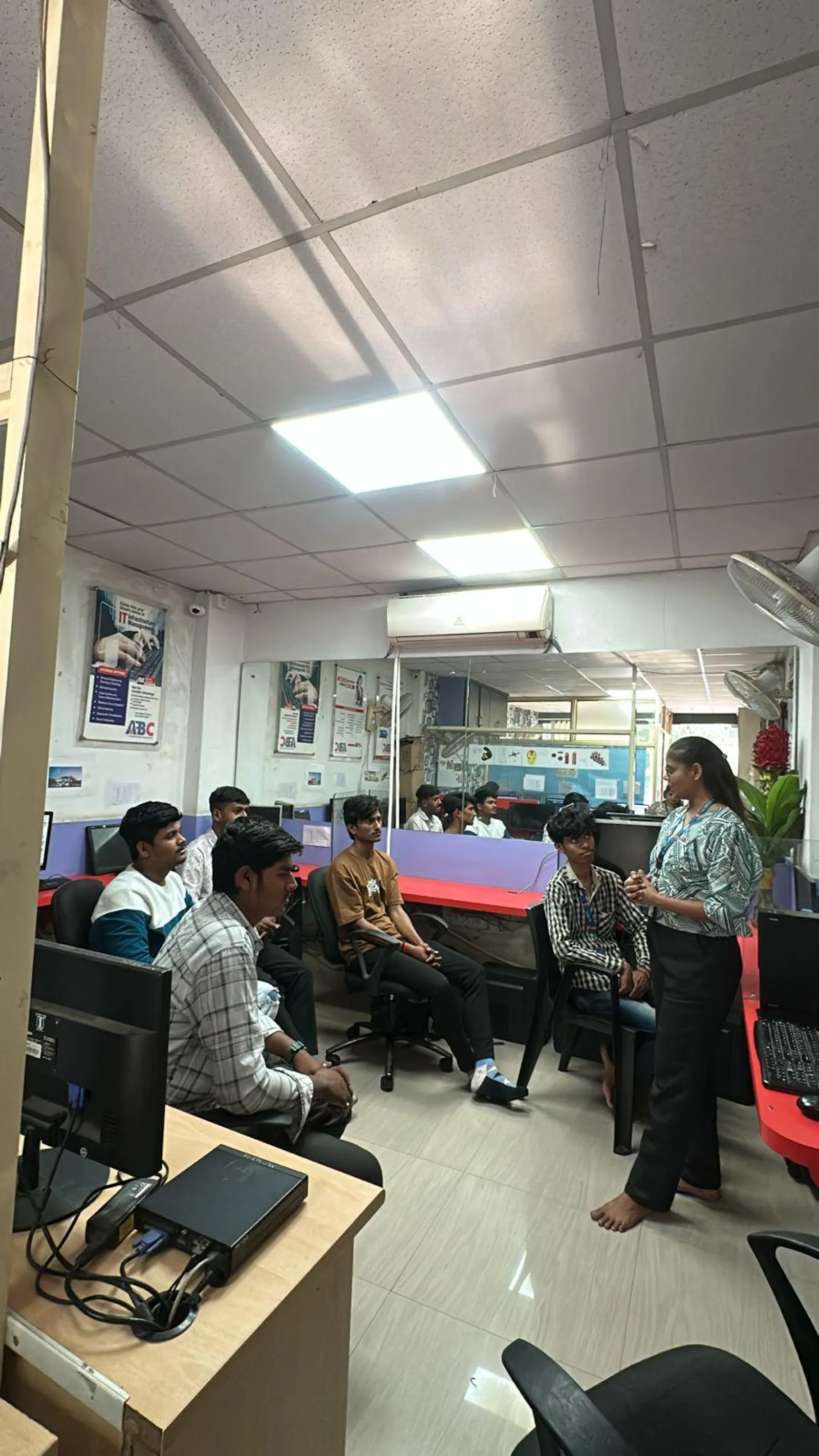
Because most college projects are built to pass evaluation, not to match industry workflow. That's the uncomfortable truth. Students often work in teams where one person does the real work and everyone else presents. Companies know this pattern.
Project-based learning becomes powerful when the project mirrors actual company expectations. That means:
- Clear design intent or business problem
- Version-wise work progress
- Software files you can actually open and explain
- Documentation, revisions and output sheets
- A final result with measurable decisions
Say you're from electrical engineering and targeting Siemens, Thermax or Kirloskar. A basic academic circuit diagram won't impress much. But if you've completed a practical PLC logic sequence, HMI screen flow, I/O mapping sheet and troubleshooting notes, now you're speaking the language of industry. That's what moves a résumé from average to interview-worthy.
How can advanced students build a résumé that recruiters don't ignore?
If you already know the basics, stop filling your résumé with weak points. Use a power-user approach.
1. Replace generic objectives with a role-specific pitch
Don't write “seeking a challenging position.” Write something specific like: “Mechanical engineering graduate with hands-on experience in SolidWorks 2024 part modeling, assembly constraints, manufacturing drawings and BOM creation for machine components.”
2. Show software depth, not just software names
Anyone can list AutoCAD, CATIA, Python or PLC. Very few students mention what they can actually do inside the software. Mention modules, outputs and workflows. Example: “AutoCAD 2025 drafting, layer standards, dynamic blocks, annotation scaling and sheet setup.” That instantly sounds more credible.
3. Add one strong project with technical bullets
One properly explained project beats five vague ones. Include tools used, your exact role, files created, constraints handled and outcome achieved.
4. Keep evidence ready
Maintain a project folder with PDFs, screenshots, source files, drawings, code snippets or reports. During online interviews, this becomes a huge advantage.
Which advanced mistakes make good students look weak in interviews?
Here's where many capable students lose opportunities:
- They speak too theoretically. Recruiters want application, not textbook definitions.
- They can't explain their own project decisions. Why this material? Why this command? Why this logic?
- They list software they barely know. One practical question exposes that instantly.
- They don't know company context. Applying to Bosch and speaking like it's a generic software firm is a bad sign.
- They ignore workflow understanding. Design, review, revision, documentation, coordination — this matters.
Trust me, interviewers can tell within the first few minutes whether you've worked on something real or just memorized lines from YouTube and notes.
What industry-standard preparation should engineering students do in 2026?
If you want to move beyond basic employability, prepare the way industry teams work. That means learning tools, settings and habits that professionals use daily.
For mechanical students
Go beyond sketch-extrude basics. Practice assembly mates, exploded views, drawing templates, GD&T basics, sheet metal workflows, weldments and BOM generation in SolidWorks 2024 or CATIA V5. Study how Tata Technologies and Bajaj Auto-type suppliers document revisions and manufacturing intent.
For civil students
Don't stop at 2D drafting. Build discipline in Revit 2025 families, view templates, sheet organization, quantity schedules and coordination logic. L&T and large contractors value people who understand model cleanliness and documentation standards.
For electrical and automation students
Practice PLC program structure, fault diagnosis logic, HMI tag mapping, panel drawing basics and signal flow documentation. Siemens TIA Portal and common industrial troubleshooting logic are far more useful than only theory-based answers.
For IT and software-focused engineers
Build mini applications with clean logic, database handling, Git basics and debugging discipline. Infosys, TCS and KPIT Technologies often test structured thinking more than memorized syntax.
What most people don't realize is that advanced preparation isn't about doing harder content randomly. It's about doing job-relevant content repeatedly until you can explain it under pressure.
How much salary difference can practical skills create for freshers?
Let's talk real numbers. In Maharashtra, a fresher with only a degree and weak practical exposure may get offers in the ₹1.8 lakh to ₹2.4 lakh per year range, or sometimes no offer at all for months. A student with relevant software skills, one solid project and decent interview performance can move closer to ₹2.8 lakh to ₹4.5 lakh per year depending on role, city and company type.
In Pune, mechanical CAD, BIM, automation support and entry-level IT roles often pay better than smaller city averages. In Chhatrapati Sambhajinagar and Sangli too, students with actual execution skills get shortlisted faster for local industry and service firms. Once you cross the first 12 to 18 months with real work output, salary growth becomes much easier.
How should students in Maharashtra close the job-readiness gap fast?
Start with one target role, not ten random career options. Then build skills around that role. If you want design, learn design workflows. If you want automation, build automation projects. If you want IT, code and deploy something usable. That's the disciplined path.
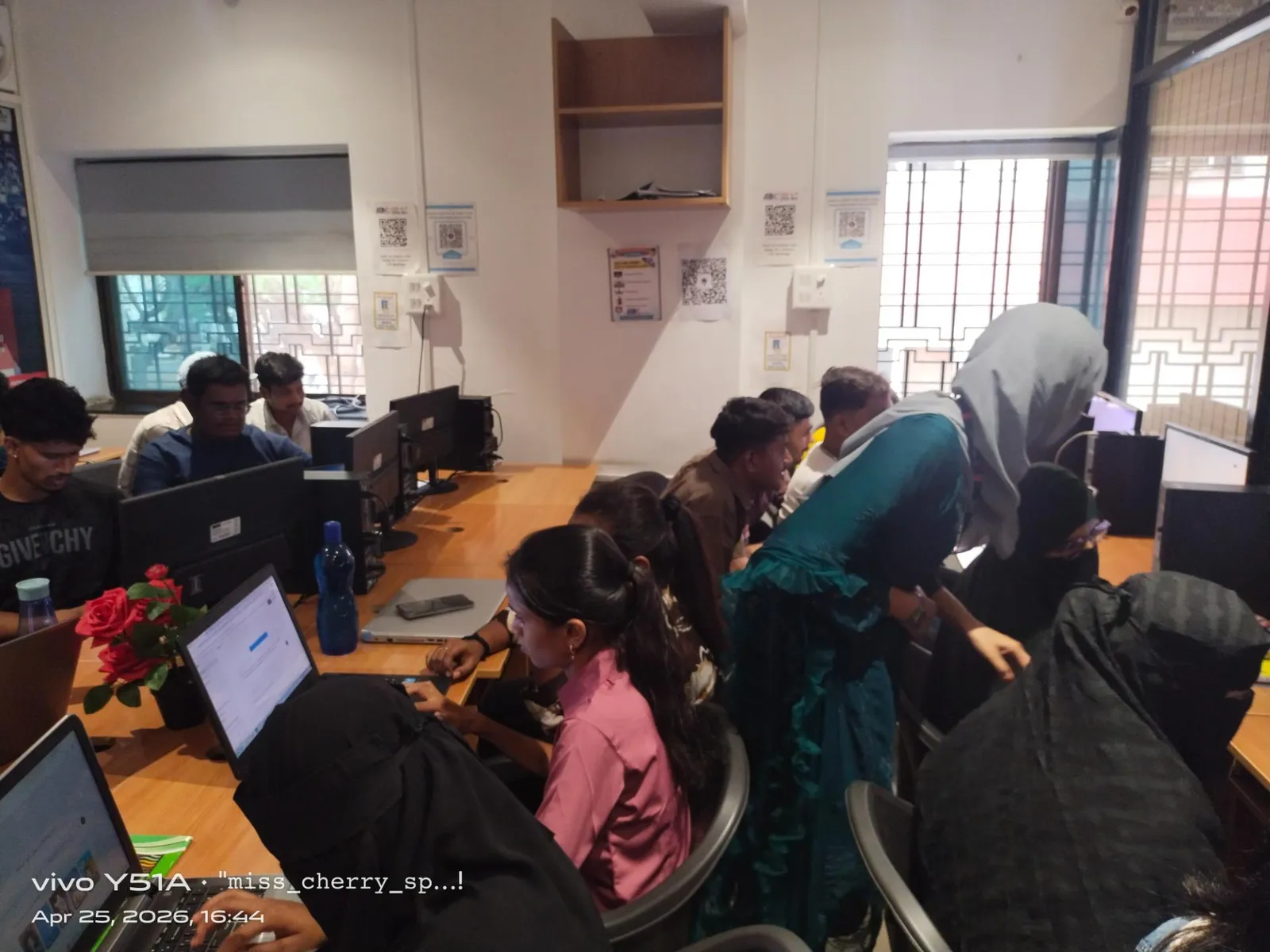
A practical training environment helps because it forces you to create outputs, not just attend sessions. At ABC Trainings, students are usually guided toward project-based execution because employers don't hire based on attendance. They hire based on visible capability. If you want clarity on which toolset fits your branch and target job, you can call 8698270088 or WhatsApp 7774002496.
The good news is that companies are still hiring. They just hire selectively. So if your résumé has been ignored, don't assume you're not good enough. Fix the proof gap. Build one serious project. Learn one software properly. Practice explaining your work like a professional. That's how rejection starts turning into interviews.
If you're in Pune, Chhatrapati Sambhajinagar or Sangli and you're tired of generic career advice, ABC Trainings can help you map your branch to the right software and project path. And that matters, because in 2026, recruiters are choosing students who can do the work, not students who only say they can.
Why do companies reject engineering students even with good marks?
Good marks help in initial shortlisting, but they don't prove job readiness. Most recruiters in India want practical skills, project clarity and software familiarity. If you can't explain real work, your marks won't carry the interview. That's why many high-scoring students still get rejected.
Which skills help engineering freshers get jobs faster in Maharashtra?
Role-specific software skills, project execution, communication and problem-solving help the most. For example, CAD tools for mechanical roles, Revit and AutoCAD for civil roles, PLC and HMI for automation, and coding plus database basics for IT roles. Students in Pune usually see faster results when these skills are backed by one strong project. Recruiters want proof, not only certificates.
Is project-based training better than certificate-only courses?
Yes, because projects give you something concrete to show in interviews. A certificate says you attended training, but a project shows you can actually apply tools and solve problems. In India, especially for freshers, practical output matters much more. That's why project-based learning improves résumé quality and interview confidence.
How can I make my engineering résumé stronger in 30 to 60 days?
Choose one target role first and avoid adding random skills. Then build one industry-style project, improve your résumé bullets, practice software tasks daily and prepare to explain every line you mention. In 30 to 60 days, this can make a visible difference in shortlisting. Focused preparation works much better than collecting multiple weak certificates.
Visit Our Centers
Chhatrapati Sambhajinagar
Corporate Office (HQ)
2nd Floor, Kandi Towers, Jalna Road, Amarpreet Chowk, Chhatrapati Sambhajinagar, Maharashtra 431001
Osmanpura Branch
Plot No 14, Shanya Sect, Near Sant Eknath Rang Mandir, Osmanpura, Chhatrapati Sambhajinagar, Maharashtra 431005
CIDCO Branch
Plot No 4, N-3, Cidco, Opp. High Court, Chhatrapati Sambhajinagar, Maharashtra 431003
Start Your Career Journey Today
Join 10,000+ students who transformed their careers with ABC Trainings.
💬 WhatsApp: 7774002496📞 Call: 8698270088