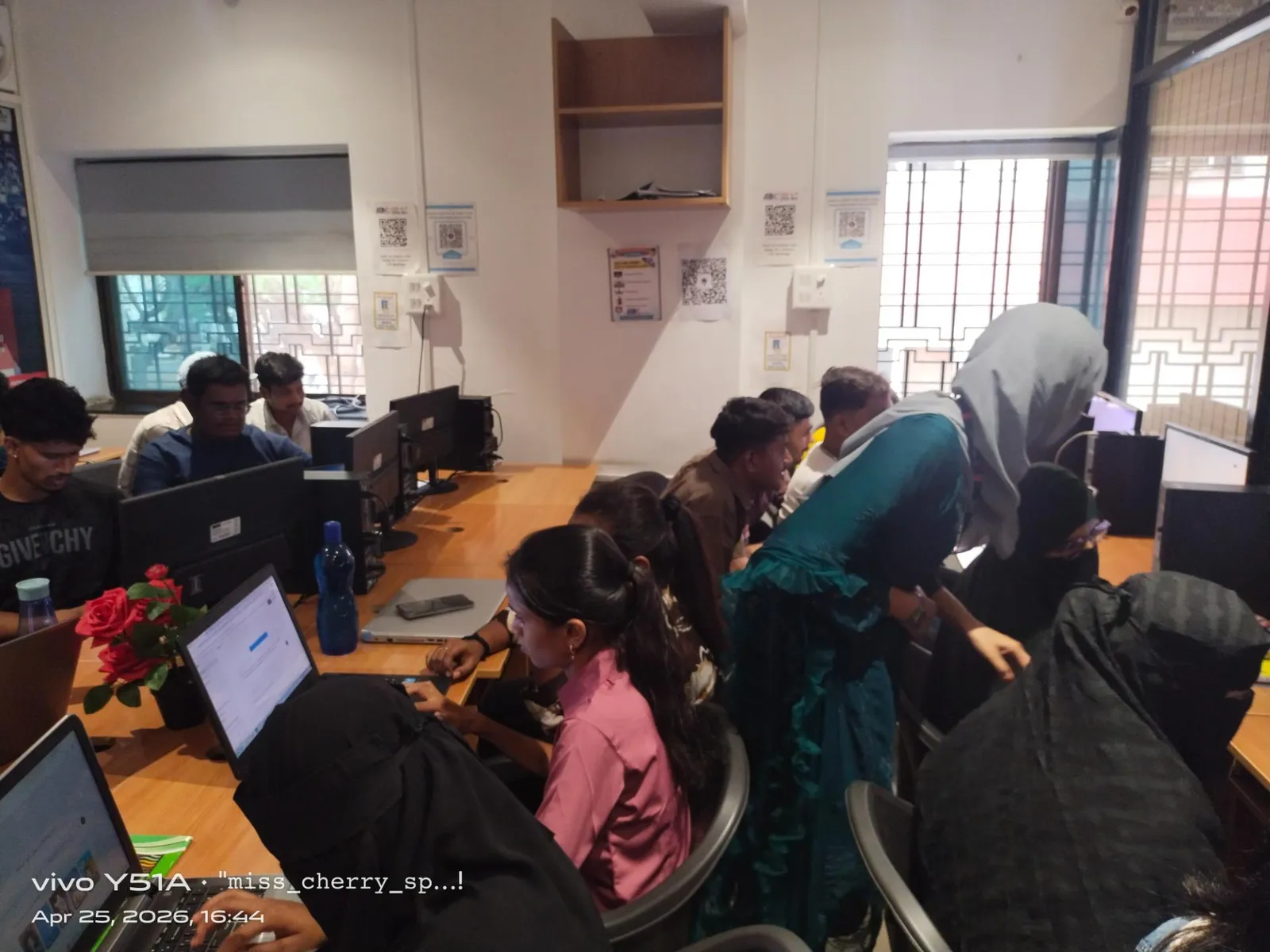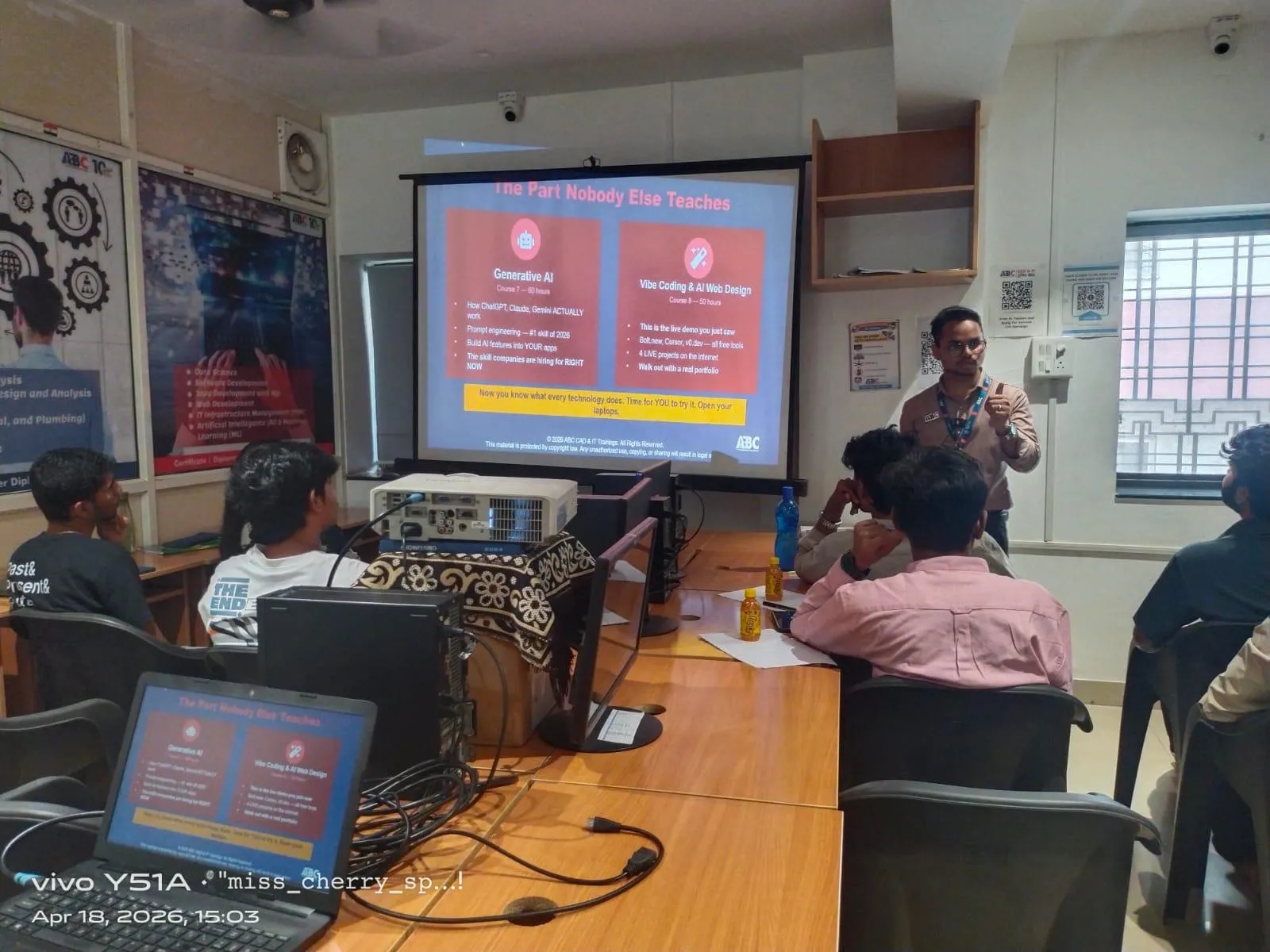
If you're searching for PLC and MATLAB courses in Pune India 2026, you probably don't need another beginner-level list of topics. You already know the basics, or at least you've seen enough theory to realize theory alone won't get you shortlisted. That's exactly why student feedback like Aditya Jon's stands out. His experience points to something serious engineering students in Pune often miss: personalized doubt-solving, hands-on practice, and technical training that maps to real work, not just certificates. Here's the thing — once you move beyond basics, the quality of training matters more than the syllabus PDF.

From our experience training students across Maharashtra, the gap between “I completed a course” and “I can handle plant-floor logic, simulations, and interviews confidently” is all about advanced workflow habits. Trust me, recruiters at companies connected to manufacturing, automation, and engineering services don't get impressed by surface-level exposure. They want proof that you can troubleshoot, document, simulate, and think like an engineer. That's where PLC and MATLAB together become a very practical combination.
Why do PLC and MATLAB together make sense for engineering careers in Pune?
What most people don't realize is that PLC and MATLAB are not competing skills. They solve different parts of the same engineering problem. PLC handles control on the industrial side. MATLAB helps you model, analyze, tune, and validate systems before or alongside implementation.
In and around Pune, this matters because the local job market is heavily connected to automotive, process industries, automation vendors, and engineering services. Think Bajaj Auto, Mahindra Engineering, Tata Technologies, Bosch, Siemens, Thermax, and Kirloskar. Even when the exact job title doesn't mention MATLAB, the ability to read system behavior, understand control logic, and communicate data-backed decisions gives you an edge.
For freshers, typical starting salaries can range from ₹2.4 lakh to ₹4.8 lakh per year depending on role, city, and project exposure. A junior automation support engineer in Pune may start around ₹18,000 to ₹28,000 per month. A graduate with stronger controls, simulation, and troubleshooting ability can push toward better interview outcomes, especially in Pune, Chhatrapati Sambhajinagar, Nashik, and Mumbai industrial belts.
What advanced PLC skills should you learn after the basics?
If you've already written simple ladder logic, don't stop there. Basic start-stop circuits are not enough for industry. The good news is, once your foundation is clear, the next layer is where your profile starts looking professional.
Structured program design
Instead of writing one long ladder routine, learn modular logic design. Break your program into motor control, alarm handling, interlocks, timers, fault reset, and manual-auto modes. This makes troubleshooting faster and is much closer to how real industrial projects are maintained.
Interlocks and fail-safe logic
Any serious automation employer will care about safe sequencing. You'll want to understand normally closed fault philosophy, emergency stop integration, overload logic, sensor failure conditions, and permissive-based startup. A program that runs is one thing. A program that fails safely is what gets respect.
Analog scaling and process control basics
Many students stay stuck at digital I/O. Go deeper into 4-20 mA signals, 0-10V inputs, raw count scaling, level-pressure-temperature interpretation, and PID loop basics. If you're targeting process plants, water treatment, HVAC automation, or boiler systems, this is not optional.
HMI and diagnostics thinking
Power users don't just write logic. They build visibility. Learn to map faults to HMI messages, create status words, add maintenance counters, and expose machine states clearly. When a technician can identify the issue in 20 seconds instead of 20 minutes, your logic has done its job.
How should advanced learners use MATLAB beyond college assignments?
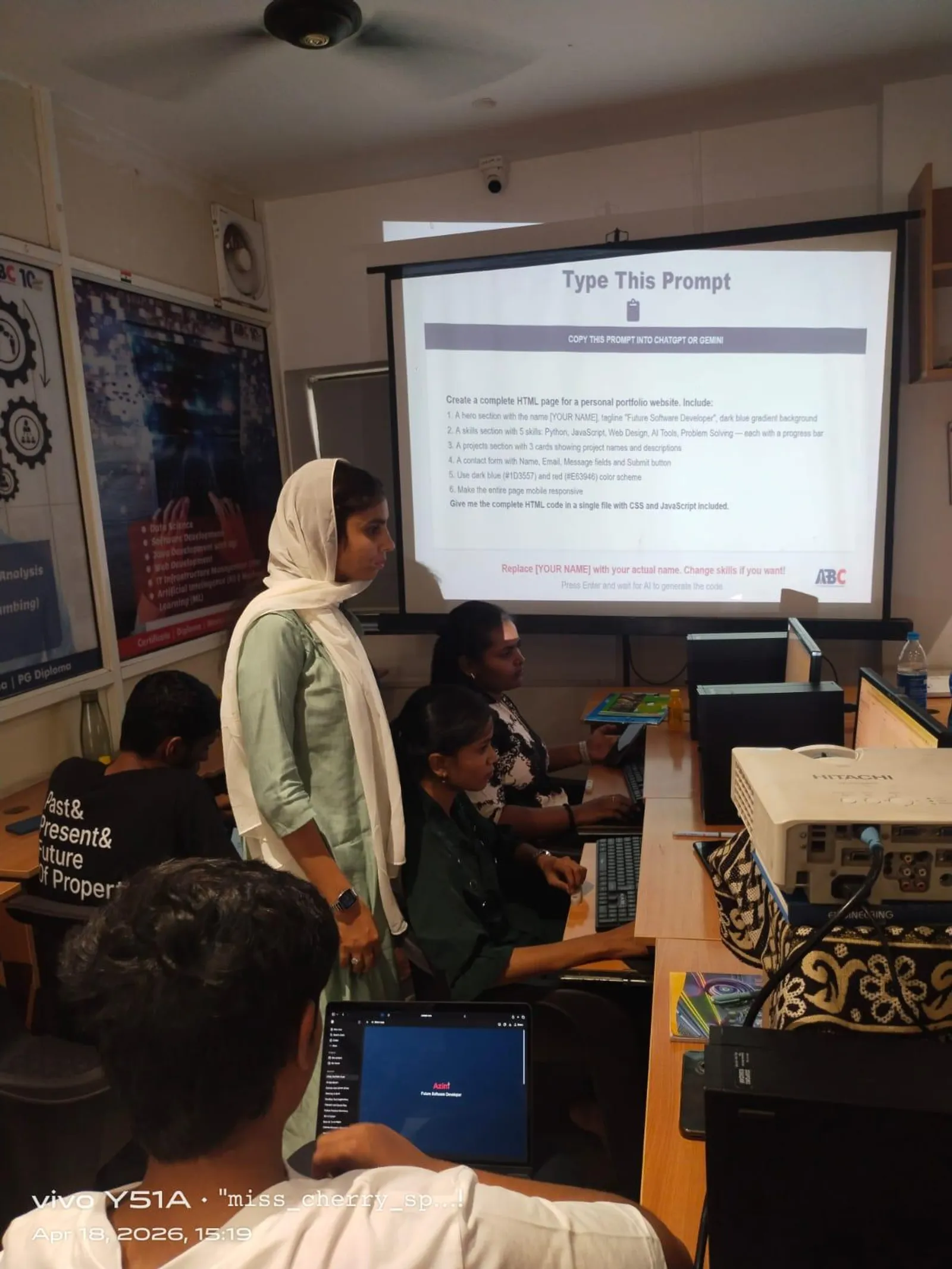
MATLAB becomes valuable when you stop treating it like a plotting tool and start using it as an engineering decision tool. That's a huge shift. In interviews, this difference is obvious.
Data cleaning and signal interpretation
Real industrial data is messy. Sensors drift. Values spike. Sampling isn't always perfect. Learn how to import CSV logs, filter noise, compare trends, detect anomalies, and generate clear engineering conclusions. This is useful in testing, controls, quality, and maintenance roles.
Simulink for system behavior
If you're working with control systems, Simulink matters. Build transfer function models, simulate response, compare controller tuning, and understand overshoot, settling time, and stability visually. Companies such as Siemens, KPIT Technologies, Tata Technologies, and Bosch value engineers who can understand system behavior before implementation.
Parameter tuning and validation
Here's where advanced learners separate themselves. Don't just run a model once. Change gains, compare outputs, build test cases, and document why one tuning choice is better than another. That's how engineers work in real projects.
Automation of repetitive analysis
Use scripts for repeated calculations, result generation, and reporting. If you can process ten test files automatically instead of manually analyzing each one, you're already thinking like someone who can save project time.
What do employers actually expect from PLC and MATLAB candidates?
Most hiring managers are not expecting a fresher to know everything. But they do expect clarity. If you say you know PLC, they may ask how you handled timers, interlocks, analog inputs, or fault conditions. If you say you know MATLAB, they may ask how you used it for data analysis, modeling, or testing.
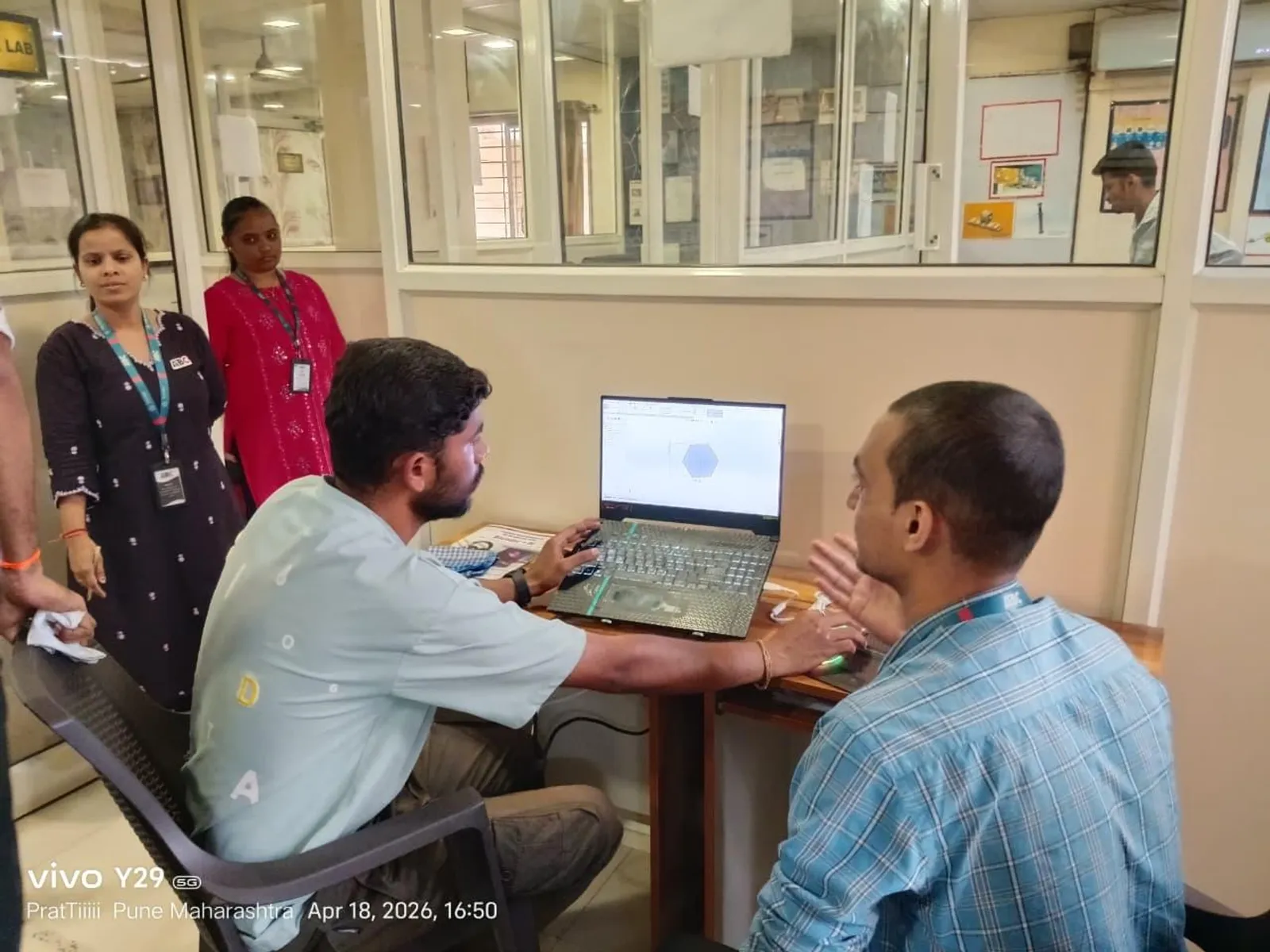
Trust me, interview performance improves when your training included hands-on doubt clearing rather than only recorded content. Aditya's testimonial highlights one-on-one support, and that matters more than many students realize. When you can ask why a rung fails, why scaling is wrong, why a simulation diverges, or why output oscillates, your understanding becomes sharper.
At companies like L&T, Infosys, TCS, Siemens, or Mahindra Engineering, even if your role begins with support work, documentation and debugging ability can set you apart quickly. A fresher who explains logic flow and validation steps clearly often beats someone who has only memorized definitions.
Which professional workflow habits make you look industry-ready?
This is where advanced training really pays off. Syllabus completion is not the same as engineering maturity.
Naming conventions and documentation
Use meaningful tags, comments, revision notes, and I/O lists. Messy projects waste time. Clean projects build trust.
Version awareness
Know the environment you're working in. For example, Siemens TIA Portal V18, Allen-Bradley Studio 5000, and MATLAB R2024b are not just names. Different versions affect compatibility, libraries, and workflow expectations.
Test before claiming complete
Run scenarios: startup, stop, fault, reset, sensor failure, manual mode, auto mode. In MATLAB, validate assumptions with multiple datasets. What most people don't realize is that industry rewards engineers who can predict failure cases, not just ideal conditions.
Explain your project like a working engineer
Don't say, “I made a PLC project.” Say, “I developed motor interlock logic with overload and emergency stop conditions, added HMI fault messages, and tested manual-auto transitions.” That sounds real because it is real.
How can students in Wagholi and Pune choose the right technical training?
Look beyond course names. Ask how doubts are solved, how much practical time you get, whether trainers discuss industrial cases, and whether you're pushed into debugging instead of just copying logic. The good news is, when training is structured properly, even students from non-metro backgrounds can compete well in Pune's engineering market.
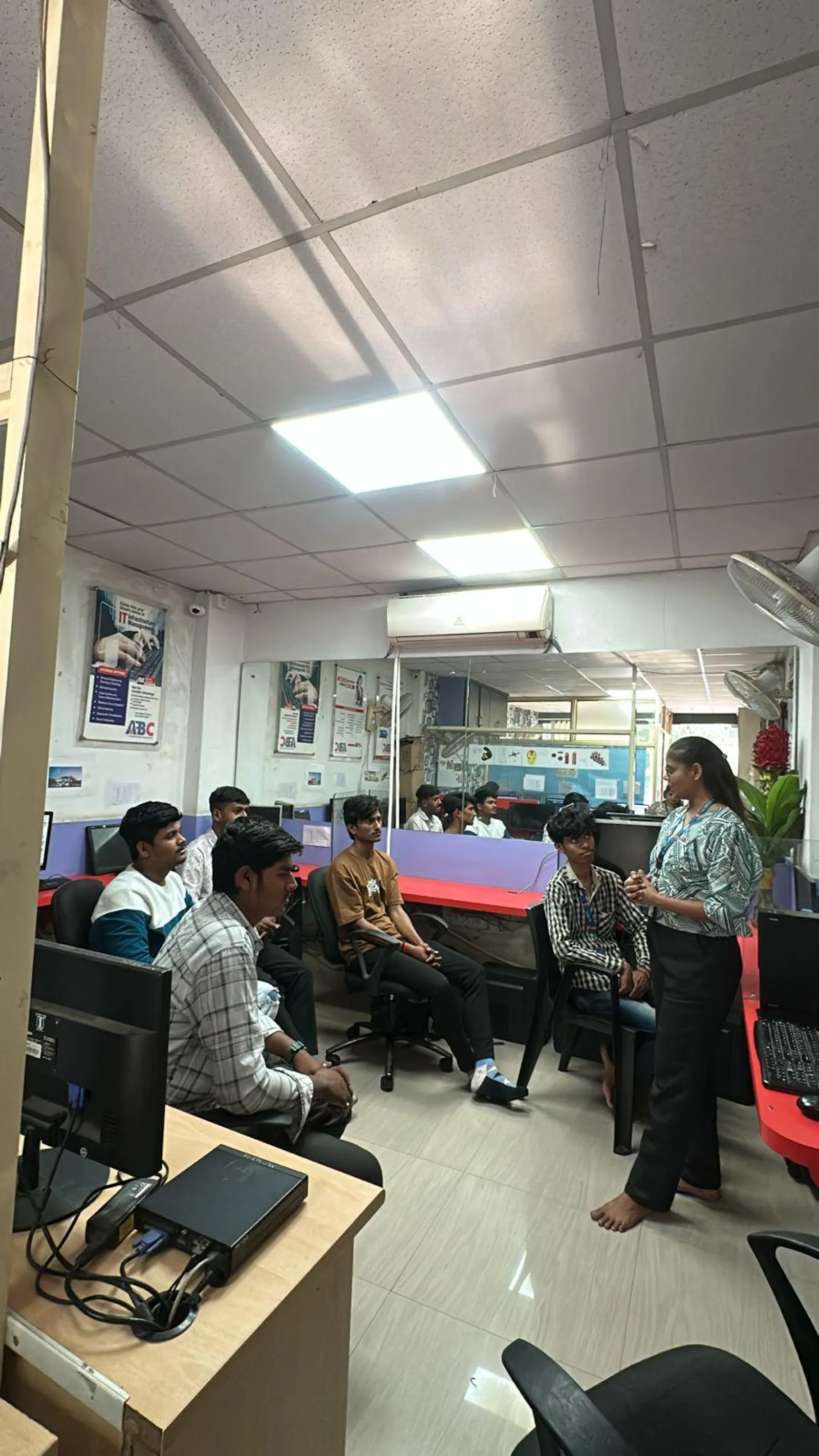
At ABC Trainings, many students come in with partial knowledge and low confidence. With guided practical sessions, they start understanding not just what to do, but why to do it. That's the difference employers notice. If you want to check course fit, call 8698270088 or WhatsApp 7774002496.
If you're in Wagholi, Hadapsar, Pimpri-Chinchwad, Kharadi, or even coming from Ahmednagar or Chhatrapati Sambhajinagar to build stronger technical skills, focus on depth. Don't collect random certifications. Build one strong stack: PLC logic, troubleshooting, MATLAB analysis, and confident explanation. That's a profile companies can actually use.
Is PLC and MATLAB a good combination for mechanical and electrical students in Pune?
Yes, especially if you're targeting automation, maintenance, testing, controls, or manufacturing support roles. Electrical students benefit from control logic and instrumentation exposure, while mechanical students gain an entry into plant automation and system behavior. In Pune's industrial ecosystem, that combination can widen your job options. It's especially useful for students applying to companies linked to automotive, process, and industrial equipment sectors.
What salary can a fresher get after PLC training in Maharashtra?
For freshers, salaries usually start around ₹2.4 lakh to ₹4.8 lakh per year depending on city, project skills, and interview performance. In Pune, entry-level automation and controls roles often begin around ₹18,000 to ₹28,000 per month. Candidates with hands-on troubleshooting and good communication usually perform better than those with only theory knowledge. Your practical confidence matters a lot in small and mid-sized industrial firms.
Do companies in Pune ask for software version knowledge in interviews?
Yes, many interviewers ask which platform or version you used because it shows whether your practice was real or superficial. Mentioning tools like Siemens TIA Portal V18, Studio 5000, or MATLAB R2024b adds credibility when it's backed by actual project work. You don't need to know every version, but you should know what you practiced on and what tasks you completed in it. That level of clarity helps in technical screening.
Where can I learn PLC and MATLAB with practical support in Pune?
Choose a training institute that offers hands-on sessions, one-on-one doubt clearing, and project-based explanation instead of only theory delivery. That's especially important for advanced learners who need troubleshooting depth, not just basics. ABC Trainings is one option students in Pune and Wagholi consider for practical technical training. You can contact them at 8698270088 or WhatsApp 7774002496 to ask about current batches and course structure.
Visit Our Centers
Pune
Wagholi Branch
1st Floor, ABC Trainings, Laxmi Datta Arcade, Pune - Ahilyanagar Hwy, Wagholi, Pune, Maharashtra 412207
Hadapsar Branch
Bloom Hotel, ABC Trainings 1st Floor, S.no 156/3 Shree Tower Pune - Solapur Rd, Hadapsar, Pune, Maharashtra 411028
Start Your Career Journey Today
Join 10,000+ students who transformed their careers with ABC Trainings.
💬 WhatsApp: 7774002496📞 Call: 8698270088