Engineering is one of the most diverse career paths available today. However, many students believe their career options are limited strictly to the branch they studied in college. In reality, engineering graduates have access to a much wider spectrum of roles across industries such as IT, manufacturing, analytics, management, design, automation, and emerging technologies.
This engineering career cheat sheet will help students understand the different roles they can pursue after completing various engineering branches, along with the skills required and the industries hiring them. Whether you are a student, fresher, or someone planning to switch domains, this guide will help you make smarter career decisions.
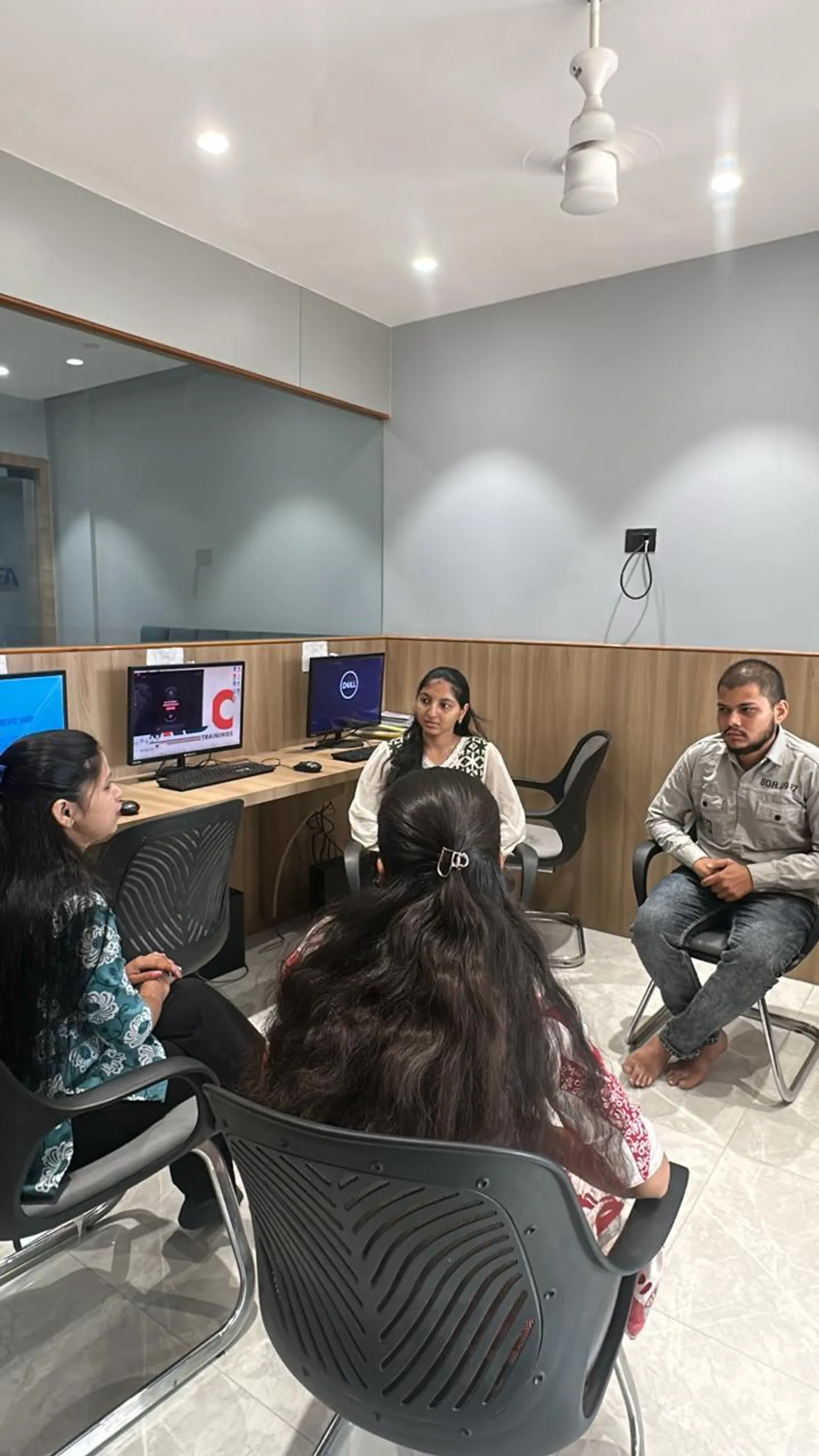
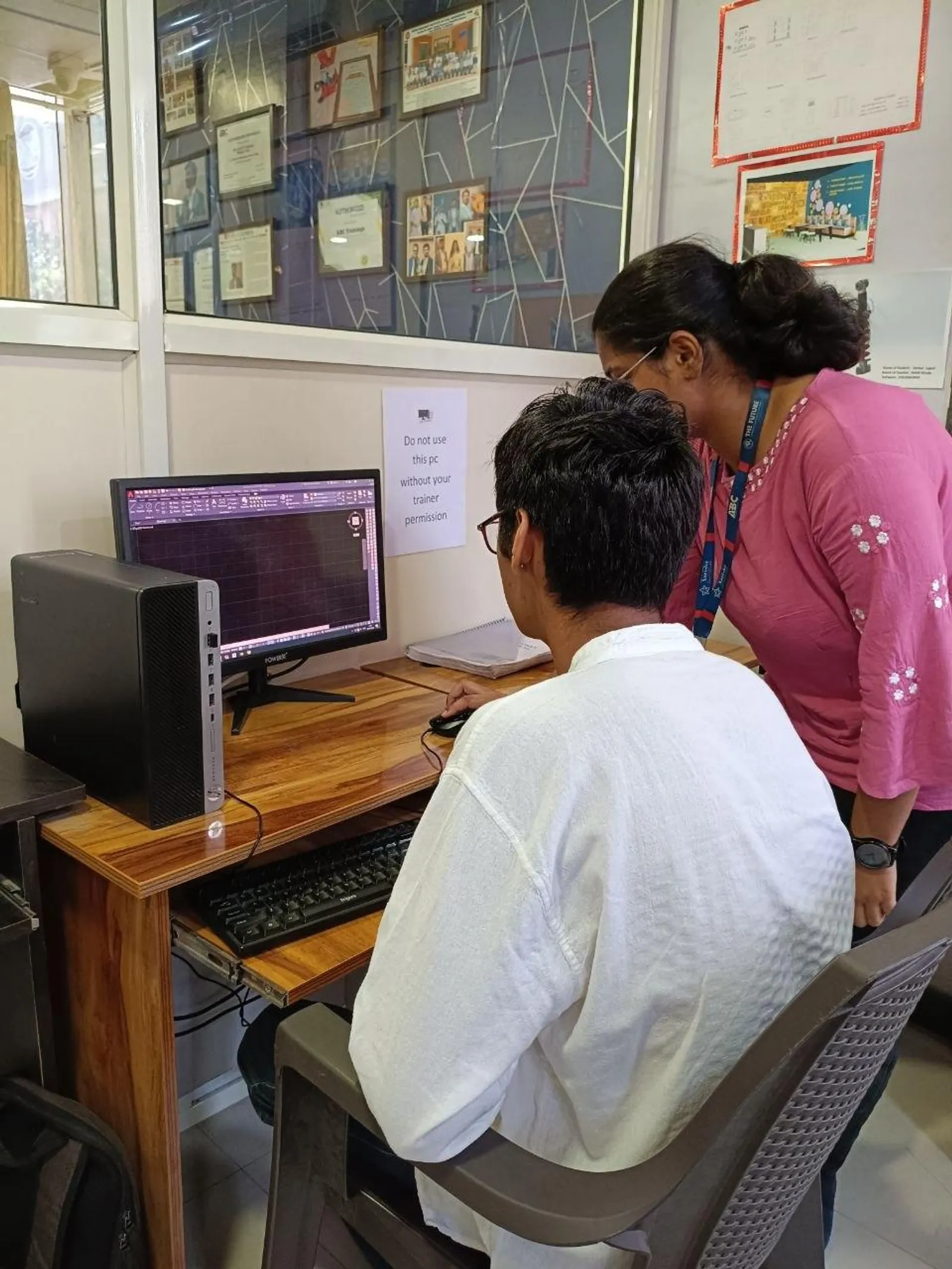
ABC Trainings is a Government Affiliated Training Company, MSME registered and ISO certified institute, helping engineering students upgrade their technical skills and prepare for industry-ready roles.
For course guidance or career counselling, you can contact:
📞 7039169629
💬 WhatsApp: 7039169629
Why Engineering Students Need Career Clarity

Many engineering graduates face confusion because:
Colleges often focus more on theory than practical skills
Students are unaware of cross-domain career opportunities
Industry demands skills beyond core branch knowledge
New technology roles are emerging every year
The good news is that your branch does not limit your career. With the right training and skills, engineers can transition into various domains.
Career Options After Computer Science Engineering (CSE)
Computer Science graduates already belong to one of the most versatile branches.
Popular Roles
1. Software Developer
Builds applications, systems, and platforms
Skills: Programming, algorithms, databases
2. Data Analyst
Works with large datasets to derive insights
Skills: Excel, Python, SQL, data visualization
3. Data Scientist
Uses machine learning to build predictive models
Skills: Python, statistics, machine learning
4. Cyber Security Specialist
Protects systems from cyber threats
Skills: network security, ethical hacking
5. Cloud Engineer
Manages cloud infrastructure
Skills: cloud platforms, networking
6. AI / Machine Learning Engineer
Develops intelligent systems
Skills: ML algorithms, Python, deep learning
Career Options After Mechanical Engineering
Mechanical engineering offers strong opportunities in both core industries and tech sectors.
Popular Roles
1. Design Engineer
Designs mechanical components and machines
Skills: CAD, product design
2. Production Engineer
Manages manufacturing processes
3. Automation Engineer
Works with robotics and automated systems
4. Quality Control Engineer
Ensures product quality and compliance
5. Industrial Engineer
Improves efficiency in production systems
6. Robotics Engineer
Works in robotics and smart manufacturing
Mechanical engineers can also transition into data analytics, programming, and product management with additional training.
Career Options After Civil Engineering
Civil engineering plays a critical role in infrastructure development.
Popular Roles
1. Site Engineer
Supervises construction work at project sites
2. Structural Engineer
Designs safe and strong structures
3. Project Manager
Manages construction timelines and budgets
4. Quantity Surveyor
Handles cost estimation and project budgeting
5. Transportation Engineer
Designs roads, bridges, and transit systems
6. Environmental Engineer
Works on sustainable infrastructure projects
Civil engineers are also entering project management, GIS, and infrastructure analytics roles.
Career Options After Electrical Engineering
Electrical engineering graduates work across power systems, electronics, and automation industries.
Popular Roles
1. Electrical Design Engineer
Designs electrical systems and circuits
2. Power Systems Engineer
Works with power generation and distribution
3. Automation Engineer
Implements automated industrial systems
4. Embedded Systems Engineer
Designs hardware-software integrated systems
5. Control Systems Engineer
Works with industrial control technologies
Electrical engineers are also moving into EV technology, renewable energy, and smart grid technologies.
Career Options After Electronics & Communication Engineering (ECE)
ECE students combine hardware and software skills.
Popular Roles
1. Embedded Systems Engineer
Develops hardware-software integrated systems
2. VLSI Engineer
Designs integrated circuits and chips
3. Network Engineer
Manages communication networks
4. Telecom Engineer
Works in telecommunications infrastructure
5. IoT Engineer
Develops connected devices and smart systems
ECE students can also move into software development and data science careers.
Non-Core Career Options for Any Engineering Branch
One of the biggest advantages of engineering is career flexibility. Many engineers successfully move into non-core technology roles.
Common Career Paths
1. Data Analytics
High demand across industries
Engineers with analytical thinking excel in this field
2. Software Development
Open to students from all engineering branches
3. Product Management
Combines technical understanding with business strategy
4. Digital Marketing
Engineers with creative thinking and analytics skills can succeed
5. Business Analytics
Focuses on business decision making using data
6. Technical Consulting
Engineers guide businesses on technical solutions
Skills That Matter More Than Your Engineering Branch
Employers increasingly prioritize skills over degrees.
Key skills that boost employability:
Programming knowledge
Data analysis skills
Problem solving ability
Communication skills
Project management
Understanding of emerging technologies
Students who build these skills during or after graduation often secure better job opportunities.
Emerging Engineering Careers in 2026 and Beyond
Technology is evolving rapidly. These roles are growing quickly:
Artificial Intelligence Engineer
Machine Learning Specialist
Robotics Engineer
Data Scientist
Cyber Security Analyst
Cloud Architect
Automation Specialist
Electric Vehicle Engineer
Students who prepare early for these domains will have strong career prospects.
How Training Programs Help Engineering Students Get Jobs
Many companies expect practical industry skills, which traditional college education may not fully provide.
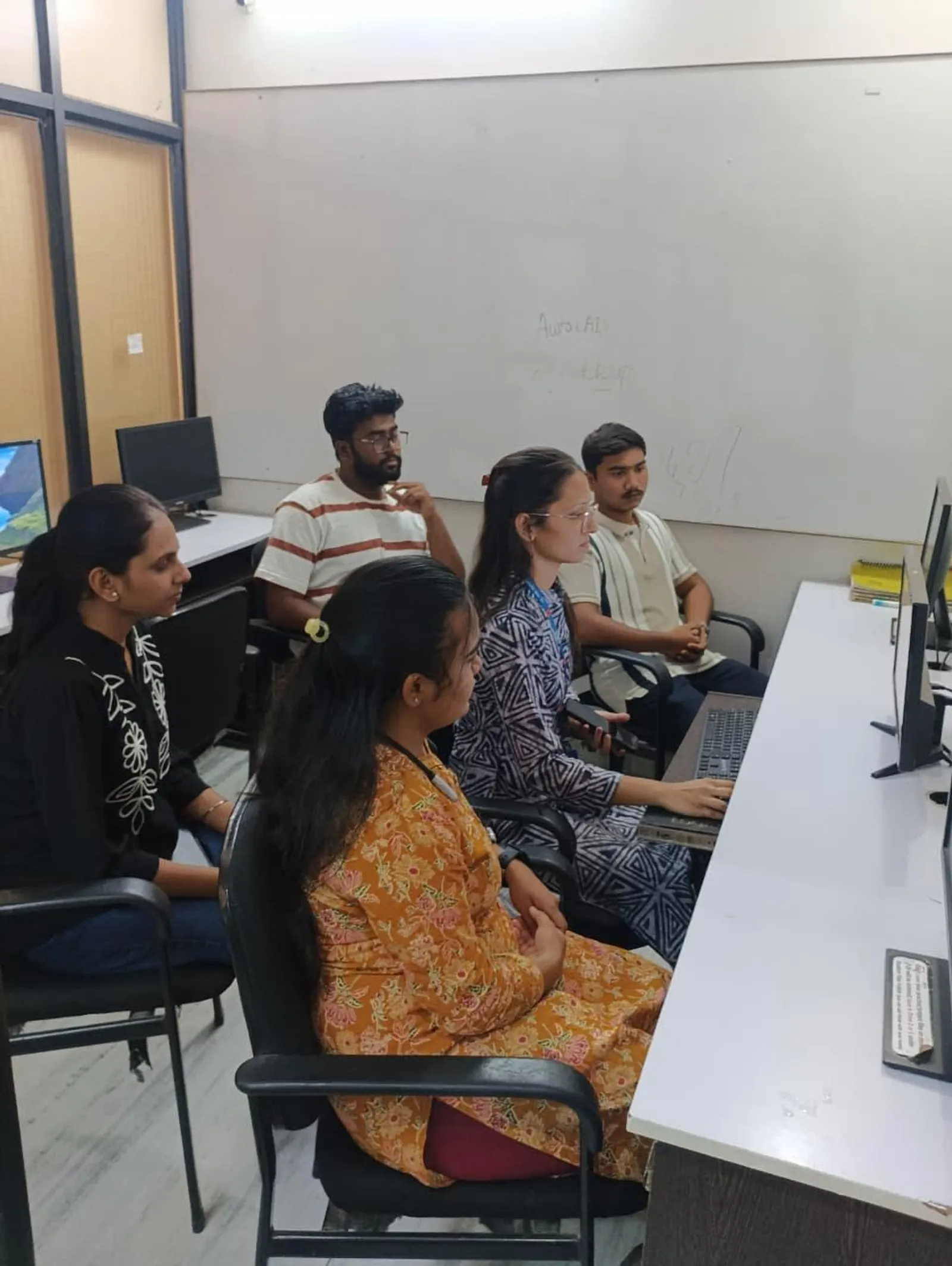
Professional training programs help students:
Learn industry tools
Build real-world projects
Gain hands-on experience
Prepare for technical interviews
Improve job placement chances
ABC Trainings provides career-focused programs designed to help engineering students transition into high-demand roles.
ABC Trainings is a Government Affiliated Training Company, MSME registered and ISO certified institute focused on industry-oriented skill development.
📞 Call: 7039169629
💬 WhatsApp: 7039169629
Students can get guidance on choosing the right career path based on their engineering branch, interests, and industry demand.
Final Thoughts
Choosing a career after engineering does not mean being restricted to your branch. With the right combination of technical skills, practical training, and industry exposure, engineering graduates can build successful careers across multiple domains.
The key is to:
Understand available career options
Learn in-demand skills
Gain hands-on project experience
Stay updated with emerging technologies
Engineering is not just a degree — it is a foundation that opens doors to numerous career opportunities.