Estimating vs Costing in Civil Engineering: What Every Site Engineer Must Know (Updated May 2026)
Understanding estimating and costing is what separates average civil engineers from the ones who get hired immediately — and I say this from 12 years of watching recruitment drives. Most students skip these topics thinking it's just maths, but companies look for this skill first when hiring for site engineer and project coordinator roles. With Pune Metro Line 3 construction starting in May 2026 and the Maharashtra government making BIM mandatory for projects above ₹100 crore, the civil sector is in one of its biggest hiring cycles in a decade — and the engineers who understand estimating and costing from first principles are the ones getting shortlisted.

- Estimating predicts total project cost before work begins; costing tracks actual expenditure as work happens
- Rate analysis connects both — the unit-cost calculation that feeds estimates and validates cost records
- Civil engineers who know both estimating and costing earn ₹4–8 LPA in Pune's infrastructure boom
- BOQ, abstract sheet and cost statements are the three documents every site engineer must produce
- Pune Metro Line 3 (2026) and BIM mandate for ₹100 cr+ projects are driving fresh civil hiring
Estimating vs Costing: They Sound the Same But They Are Very Different
Estimating is what you do before the project starts. You look at drawings, specifications and scope of work — then calculate how much the project is likely to cost. It's a prediction. Costing, on the other hand, happens during and after construction. It tracks what the project actually cost, item by item, as work progresses. The confusion happens because both deal with money and both use similar documents. But their purpose, their timing and their tools are different. An estimator works with design drawings and standard DSR rates to produce a pre-project cost forecast. A cost engineer works with material challans, labour registers and contractor bills to record and control actual spend. Professional civil engineers need to understand both — and the rate analysis that connects them.
Rate Analysis: The Bridge Between Estimation and Costing
Rate analysis is the foundation of every cost estimate and every cost record in construction. It breaks down the unit cost of any construction item — one cubic metre of M20 concrete, one square metre of plastering, one running metre of RCC column — into its component inputs: materials (cement, sand, aggregate), labour (mason, helper, carpenter), tools and equipment, and contractor overhead. When you do rate analysis correctly, your estimate becomes defensible, your costing becomes transparent, and disputes with contractors become almost non-existent. In Maharashtra, rates are typically benchmarked against the Schedule of Rates published by PWD Maharashtra. Knowing how to read and apply PWD rates is a core skill tested in interviews at L&T, Shapoorji Pallonji and Pune Municipal Corporation.
| Dimension | Estimating | Costing |
|---|---|---|
| When it happens | Before project begins (pre-tender) | During and after construction |
| Primary document | BOQ / Detailed Estimate | Cost Statement / Running Account Bill |
| Data source | Drawings + PWD Schedule of Rates | Actual challans, bills, attendance |
| Key skill needed | Quantity take-off, rate analysis | Bill certification, variance analysis |
| Who uses it | Estimator, Tender Engineer | Site Engineer, QS, Project Manager |
BOQ, Abstract Sheet and Cost Statement: The Three Documents That Run a Project
Every civil project runs on three documents. The Bill of Quantities (BOQ) lists every item of work with its unit and estimated quantity, forming the basis of tendering and contractor billing. The Abstract Sheet summarises the BOQ by work category — civil, plumbing, electrical, finishing — and is used for budget allocation and financial reporting. The Cost Statement tracks actual expenditure against BOQ quantities through the project lifecycle. These three documents are interconnected — a change in one affects all others. Site engineers who understand the workflow between BOQ, abstract sheet and cost statement can manage billing, avoid over-payments and flag budget overruns before they become crises.
Tools Used in Real Construction Projects Across Pune and Maharashtra
In practice, estimating and costing in Maharashtra uses a combination of manual spreadsheet work and specialised software. MS Excel remains the workhorse — BOQ templates, rate analysis sheets and cost registers are almost always Excel-based. AutoCAD drawings provide the measurements that feed into BOQ quantities. For larger projects, software like BuildSoft, CostX or Candy is used for quantity take-off. Government projects follow e-tendering platforms like GovTender Maharashtra and CPWD GeM. Understanding which tool applies at each stage — and being comfortable with both Excel and e-tendering portals — makes a civil engineer significantly more employable than one who only knows theory.
Why Pune's Infrastructure Boom Makes This Skill Pay ₹4–8 LPA Right Now
The timing for civil engineers in Maharashtra could not be better. Pune Metro Line 3 started construction in May 2026 — that's thousands of engineering jobs in site management, estimation, billing and costing spread across contractors like L&T, Afcons, Tata Projects and ITDCL. The Maharashtra government's BIM mandate for projects above ₹100 crore is creating demand for civil engineers who understand both digital tools and traditional estimation. Infrastructure projects from the Samruddhi Expressway node developments to PMRDA township projects are all in execution. The engineering talent needed to support this cycle is real, and civil engineers with estimating and costing skills are earning ₹4.5–8 LPA at site engineer and quantity surveyor levels.
Learn Estimating and Costing at ABC Trainings Wagholi Pune
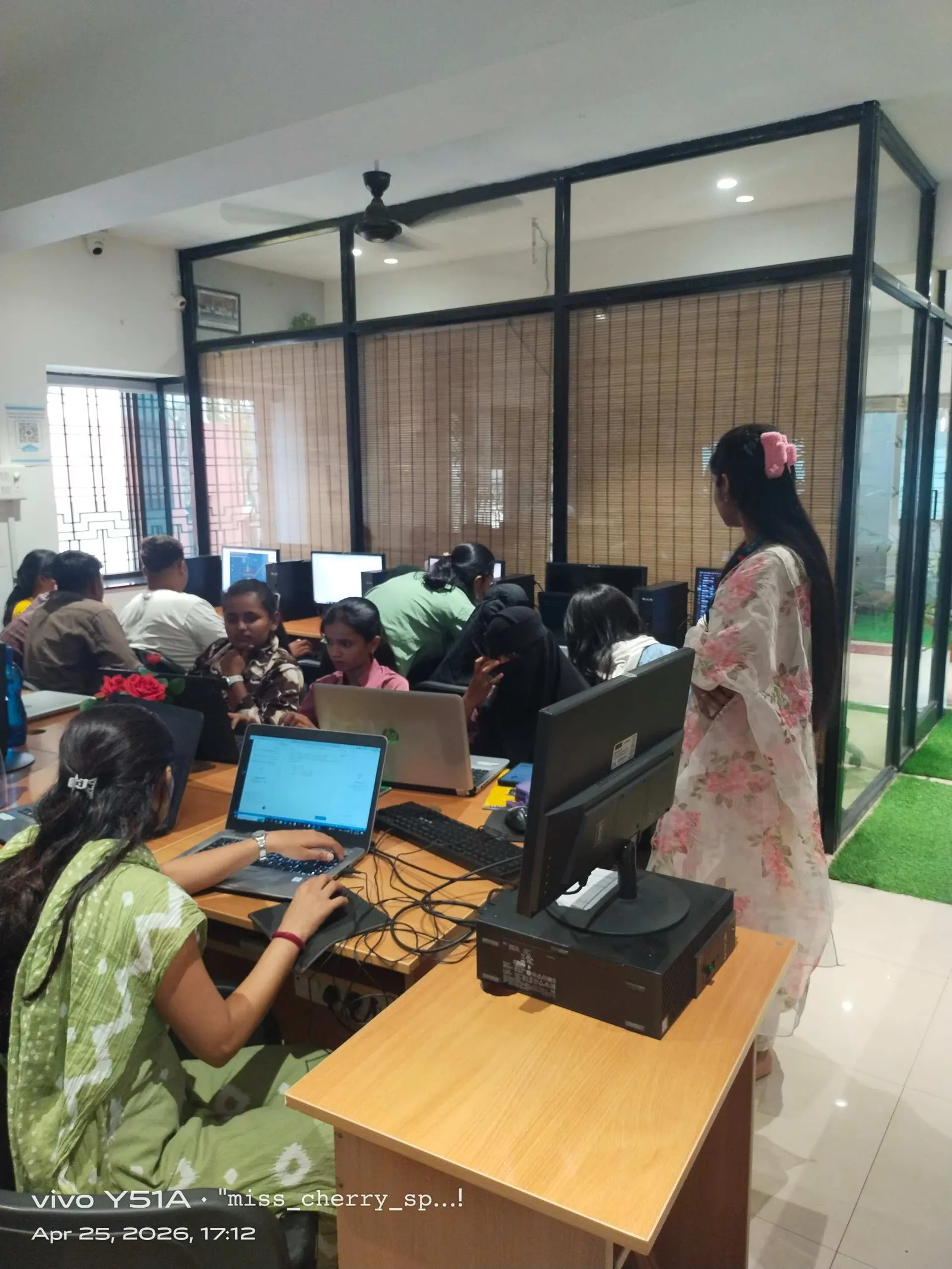
ABC Trainings at Wagholi Pune offers a practical civil engineering skills programme that covers estimating, costing, rate analysis, BOQ preparation and AutoCAD for civil applications. The training is delivered with real project documents — not textbook examples — so students learn the exact workflow used on construction sites across Pune, Sambhajinagar and Nashik. We also run AutoCAD civil, Revit Architecture and BIM courses that complement estimation skills. Classes are available weekday and weekend. Call 7039169629 or visit us at Laxmi Datta Arcade, Pune-Ahilyanagar Highway, Wagholi. Free counselling available to help you map a course combination to your specific career target.
Get the Civil Engineering Training Brochure + Fees + Batch Dates on WhatsApp
Free 1:1 counselling. Placement track record. CMYKPY/PMKVY eligibility check.
💬 Get Brochure on WhatsApp📞 Call 7039169629About the author: Rahul Patil. 12 yrs experience training engineers across Maharashtra.
Visit Our Centers
- Wagholi (Pune): 1st Floor, Laxmi Datta Arcade, Pune-Ahilyanagar Highway. Call 7039169629
- Hadapsar (Pune HQ): 1st Floor, Shree Tower, opp. Vaibhav Theater, Magarpatta. Call 7039169629
- Cidco (Chh. Sambhajinagar): Kalpana Plaza, opp. Eiffel Tower, N-1 Cidco. Call 7039169629
- Osmanpura (Chh. Sambhajinagar): S.S.C Board to Peer Bazar Road, near Jama Masjid. Call 7039169629
- Sangli: Shubham Emphoria, 1st Floor, Above US Polo Assn., Sangli-Miraj Rd, Vishrambag. Weekend batches available. Call 7039169629
FAQs
What is the exact difference between estimating and costing in civil engineering?
Estimating is the process of predicting the total project cost before construction begins, using drawings, specifications and standard rate schedules. Costing is the process of recording and controlling actual expenditure as the project progresses. Both use rate analysis — the unit-cost breakdown of each construction item — as their common language.
Which software is used for cost estimation in Indian construction companies?
MS Excel remains the most widely used tool for BOQ preparation and cost statements on Indian sites. AutoCAD provides the drawings from which quantities are measured. For larger projects, BuildSoft, CostX and Candy are used for digital quantity take-off. Government projects use CPWD DSR rates and e-tendering platforms like Maharashtra's GovTender portal.
How much can a civil engineer earn who knows both estimating and costing?
Civil engineers with estimating and costing skills earn ₹4.5–8 LPA at site engineer and quantity surveyor levels in Maharashtra's current infrastructure boom. Senior quantity surveyors and project cost managers at L&T, Shapoorji Pallonji and Tata Projects earn ₹8–15 LPA. The Pune Metro Line 3 project and PMRDA development projects are creating significant new demand right now.
Is estimating and costing taught in the civil engineering course at ABC Trainings?
Yes. ABC Trainings covers estimating, costing, rate analysis, BOQ preparation and cost statement documentation as part of our civil engineering skills programme at Wagholi Pune. The training uses real project documents — tender BOQs, running account bills and PWD rate schedules — not textbook exercises. Call 7039169629 or visit us to enrol.