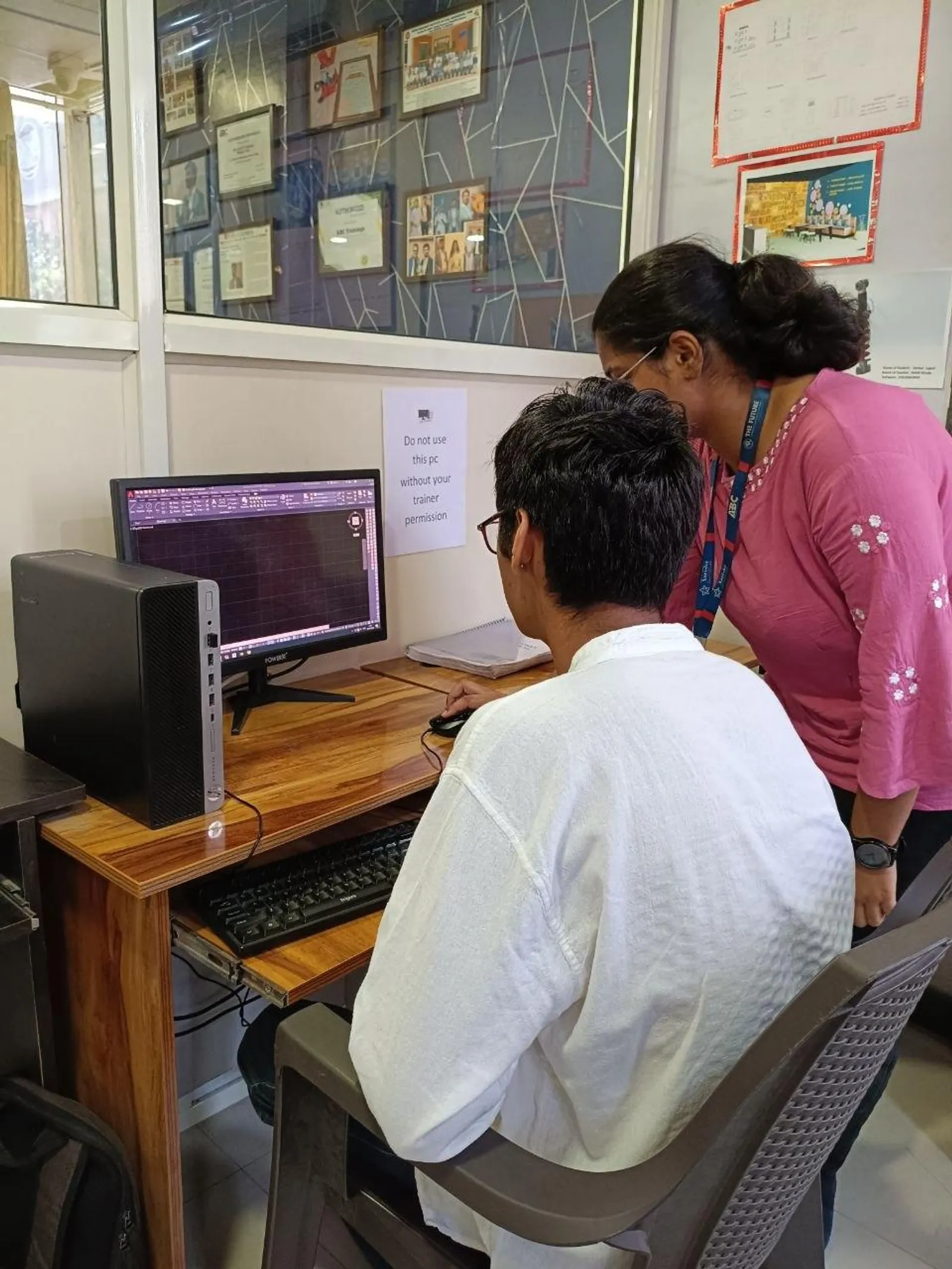
Choosing the right job role after engineering can feel confusing for many students. Every engineering branch offers multiple career paths, and not all roles suit every student. Some students prefer technical work, some enjoy design and creativity, while others may prefer management or research.
Understanding which job roles align with your engineering branch, interests, and skills can help you build a successful and satisfying career.
In this guide, we will explain how engineering students can identify the best job roles based on their branch, skills, and industry demand.
Why Choosing the Right Job Role Matters

Many engineering graduates make the mistake of applying to random jobs without understanding whether the role actually suits their background or interests.
Choosing the right role helps you:
Build a strong career foundation
Improve job satisfaction
Increase salary growth opportunities
Develop specialized expertise
Stand out in competitive job markets
Engineering careers are evolving rapidly, especially with the rise of technologies like Artificial Intelligence, Data Science, Automation, and Cloud Computing.
Step 1: Understand Your Engineering Branch Core Skills
Each engineering branch develops specific technical abilities. Identifying these strengths helps narrow down suitable career paths.
Computer Science / IT
Students from Computer Science or IT typically develop skills in:
Programming
Software development
Databases
Algorithms
Networking
Cybersecurity
Popular job roles include:
Software Developer
Data Analyst
Data Scientist
Web Developer
AI/ML Engineer
Cloud Engineer
Cybersecurity Analyst
These roles are among the highest-demand technology careers globally.
Mechanical Engineering
Mechanical engineers focus on machines, manufacturing, and mechanical systems.
Common job roles include:
Design Engineer
Production Engineer
Quality Control Engineer
Maintenance Engineer
Automotive Engineer
CAD Engineer
Robotics Engineer
Industries hiring mechanical engineers include automobile, manufacturing, aerospace, and robotics.
Civil Engineering
Civil engineers are responsible for infrastructure development.
Popular roles include:
Site Engineer
Structural Engineer
Construction Manager
Quantity Surveyor
Transportation Engineer
Environmental Engineer
These professionals work on projects like roads, bridges, buildings, and urban development.
Electrical Engineering
Electrical engineers work with power systems and electrical equipment.
Common roles include:
Electrical Design Engineer
Power Systems Engineer
Control Systems Engineer
Maintenance Engineer
Renewable Energy Engineer
Growing sectors include solar energy, electric vehicles, and smart grids.
Electronics & Communication Engineering
ECE graduates work with electronic systems and communication technologies.
Typical roles include:
Embedded Systems Engineer
VLSI Engineer
Network Engineer
Telecom Engineer
IoT Engineer
With the rise of 5G, IoT, and semiconductor technology, demand for these professionals continues to increase.
Step 2: Identify Your Interests and Strengths

Your branch alone should not decide your career.
Ask yourself questions like:
Do I enjoy coding and problem-solving?
Do I prefer designing and building systems?
Am I interested in data analysis and AI?
Do I like working on field projects or site work?
Do I prefer research or development roles?
Your answers will help you narrow down roles that match your personality and work preferences.
Step 3: Research Industry Demand
Before selecting a job role, check industry trends and hiring demand.
Currently, some of the fastest-growing engineering careers include:
Artificial Intelligence Engineer
Data Scientist
Cybersecurity Specialist
Cloud Engineer
Robotics Engineer
Renewable Energy Engineer
Automation Engineer
Engineering students who build skills in emerging technologies often have better job opportunities.
Step 4: Learn Practical Skills Beyond College
Many companies prefer candidates who have hands-on skills rather than just theoretical knowledge.
To prepare for industry roles, students should focus on:
Practical training programs
Industry projects
Internships
Certifications
Portfolio development
Learning tools like Python, CAD software, cloud platforms, or data analytics tools can significantly improve employability.
Step 5: Gain Real-World Exposure
Internships and training programs help students understand how industries actually work.
Benefits include:
Exposure to real industry projects
Understanding workplace expectations
Building professional networks
Improving resume strength
Increasing job placement chances
Students who gain industry experience early are often more confident during job interviews.
Step 6: Talk to Industry Experts and Mentors
Career guidance from professionals can help you avoid mistakes.
You can learn about:
Day-to-day responsibilities in different roles
Required technical skills
Salary expectations
Career growth opportunities
Mentors can also guide you on which technologies and certifications are most valuable in your field.
Step 7: Build a Career Roadmap
Once you identify the right job role, create a clear career plan.
Example roadmap:
Identify the desired role (e.g., Data Analyst)
Learn required skills (Python, SQL, Data Visualization)
Complete industry training
Work on projects and internships
Build a strong resume and portfolio
Apply for relevant job positions
Having a roadmap helps you stay focused and progress faster.
Final Thoughts
Choosing the right job role after engineering is not just about your degree—it is about aligning your branch, skills, interests, and industry demand.
Students who invest time in skill development, practical training, and career planning can build rewarding engineering careers in today's competitive job market.
ABC Trainings is a Government Affiliated Training Company, MSME, ISO, providing industry-oriented training programs that help engineering students gain practical skills and prepare for real job opportunities.
For course details and career guidance:
📞 Call: 7039169629
💬 WhatsApp: 7039169629