IT Job from Sangli After Coding Bootcamp in 2026
Can you get an IT job from Sangli after a coding bootcamp? Yes, you can. The primary keyword here is simple: IT job from Sangli after coding bootcamp. I’m writing this from the student point of view because that’s how most people actually search. You’re sitting in Sangli, maybe finishing college, maybe stuck in a non-IT role, maybe wondering if remote work is only for Pune, Bengaluru, or Hyderabad people. Here’s the thing: companies care about proof of skill more than your pin code. If you can build, explain, and solve, you can absolutely compete for remote and hybrid jobs from Sangli.
Trust me, I’ve seen this pattern again and again. Students don’t need magic. They need a realistic timeline, the right projects, interview practice, and consistent output. The good news is, you do not need 4 years of coding experience to start. What most people don't realize is that many fresher roles, internships, support developer roles, QA automation pathways, and junior web developer openings are open to candidates from tier-2 and tier-3 cities if their portfolio is strong.
Can I really get a remote IT job from Sangli?
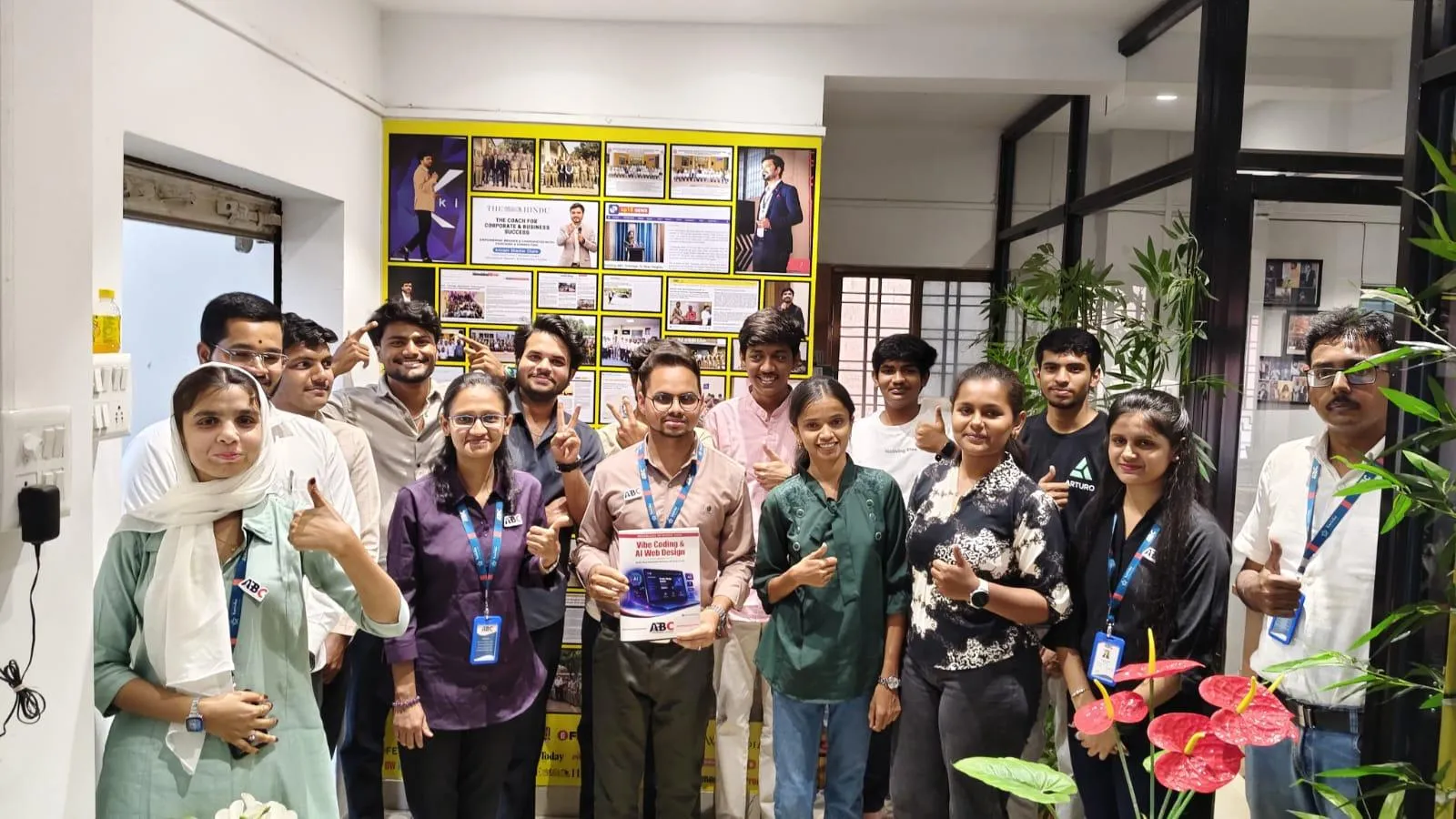
Yes, but let’s keep it real. You’re not likely to become a ₹18 LPA senior software engineer in 6 months. That’s not how this works. What you can do is build enough practical skill to get shortlisted for entry-level jobs, internships, freelance work, and remote trainee roles. From Sangli, students are applying to firms in Pune, Mumbai, Bengaluru, and even fully remote startups across India.
Typical fresher starting salaries after a coding bootcamp can range from ₹2.4 lakh to ₹4.8 lakh per year. If you already have good communication, a degree, and strong projects, some roles go to ₹5.5 lakh to ₹6.5 lakh. Service-based companies like Infosys, TCS, or KPIT Technologies may have structured entry roles, while smaller product companies and startups may hire faster if your GitHub and project demos are solid.
What does the first month of a coding bootcamp feel like?
Month 1 is usually humbling. As a student, this is the stage where you realize coding is not about watching videos and feeling productive. It’s about writing code daily. In the first month, you’ll usually learn the foundation: computer basics, logic building, HTML5, CSS3, JavaScript basics, Git, GitHub, and how websites actually work.
By the end of month 1, you should be able to:
- Build a responsive static website using HTML5 and CSS3
- Write basic JavaScript for forms, buttons, and validation
- Use GitHub to upload code
- Understand variables, loops, functions, arrays, and conditions
- Read beginner-level code without panicking
Your first projects will be small but important. Think portfolio page, landing page for a local business in Sangli, student registration form, and a simple to-do app. Don’t underestimate these. Recruiters check whether your basics are clean. A badly structured “big project” is less impressive than a clean, working mini project.
What will I be able to do after 3 months?
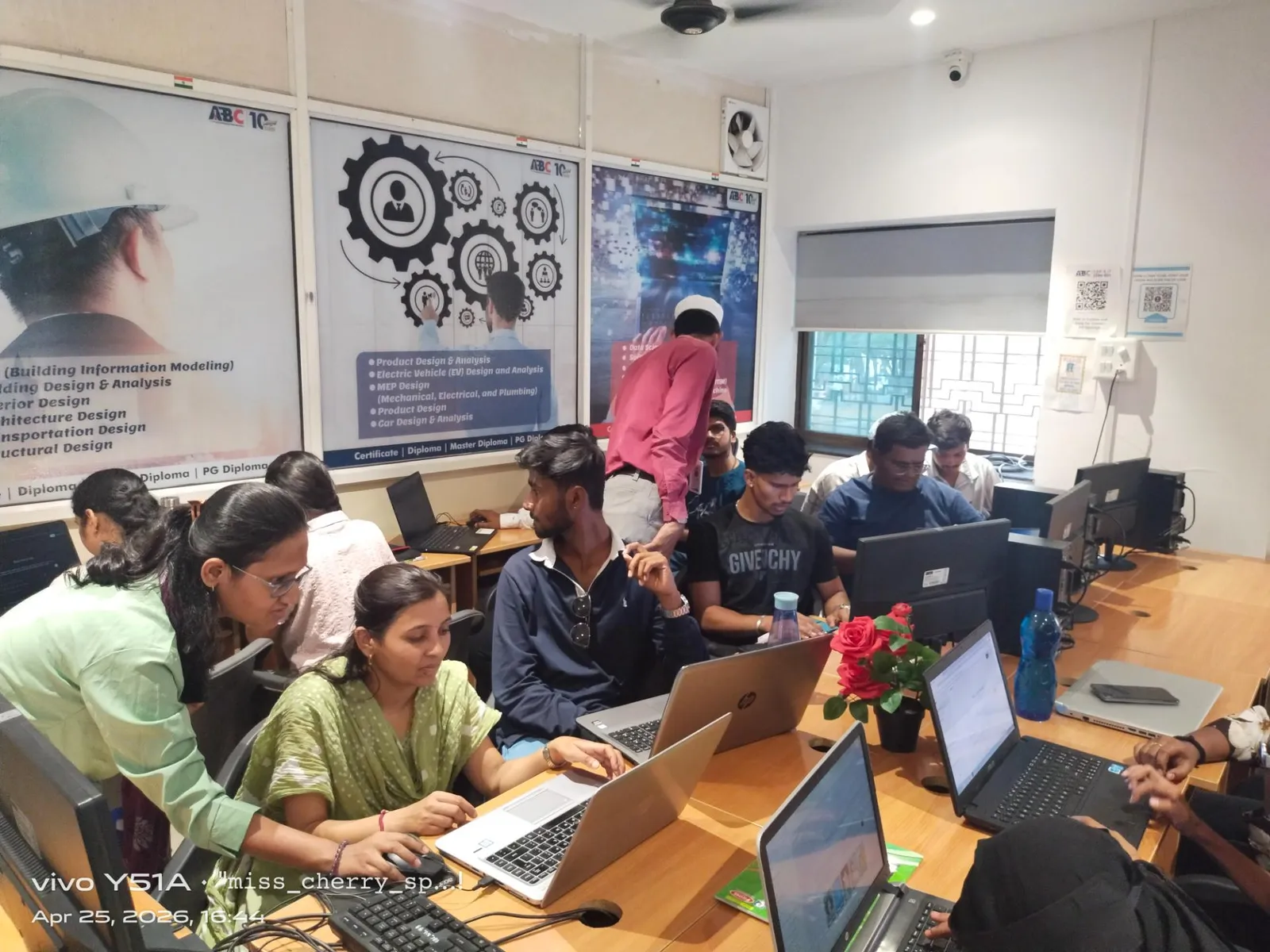
By month 3, the learning starts to feel practical. This is where many students either become serious or drop off. If you stay consistent, your confidence changes a lot. You’ll likely move from front-end basics into deeper JavaScript, React, APIs, database basics, and backend introduction using Python or Node.js, depending on the bootcamp track.
At this stage, you should be able to:
- Create a multi-page responsive website with proper UI structure
- Build a React app with components, props, hooks, and routing
- Connect frontend to APIs
- Work with basic databases like MySQL or MongoDB
- Create login systems, CRUD operations, and dashboard-style interfaces
Now your projects become job-relevant. A realistic month 3 project list looks like this:
- Job Portal Mini App: user registration, login, job listing, apply button
- Student Management System: add, edit, delete student data
- E-commerce Frontend: product listing, cart, filters, checkout UI
- Expense Tracker: user login, monthly reports, category-wise spending
This is also the stage where you start preparing for interviews without waiting for the course to end. Trust me, don’t postpone this. Start with aptitude basics, self-introduction, project explanation, and GitHub cleanup. What most people don't realize is that interview success often depends on whether you can explain your own project clearly in simple English, not whether you memorized 200 theory answers.
What happens by month 6 if I stay consistent?
Month 6 is where your profile starts looking employable. Not perfect. Employable. There’s a difference. By now, you should have 3 to 5 projects, one polished resume, one LinkedIn profile, a GitHub profile with regular commits, and at least basic confidence in coding rounds and technical interviews.
By the end of 6 months, you should be able to:
- Build a full-stack web application from scratch
- Deploy projects online using platforms like Vercel, Netlify, or Render
- Work with authentication, database integration, APIs, and admin dashboards
- Debug common errors on your own
- Handle fresher-level coding tests and technical screening rounds
Good month 6 portfolio projects include:
- Full Stack Placement Tracker: students can track applications, interviews, and status updates
- Clinic or Hospital Appointment App: booking system, user login, admin management
- Inventory Management System: useful for small businesses in Sangli, Kolhapur, or Miraj
- Freelancer Project Dashboard: tasks, invoices, deadlines, client notes
The good news is that these are not fake “demo for marks” projects. These are close to what companies actually want juniors to understand.
What kind of remote work opportunities can I expect?
After a coding bootcamp, your first opportunity may not be your dream role, and that’s okay. From Sangli, realistic remote or hybrid openings include junior web developer, frontend trainee, backend trainee, software support engineer, QA tester, WordPress developer, React intern, Python intern, and technical support with coding exposure.
Some students also start with freelance work. Local businesses in Sangli, Jaysingpur, Kolhapur, Karad, and Satara need websites, admin panels, and digital systems. That freelance experience can become your first proof of work. Once you have 2 to 3 paying projects, your confidence changes fast.
Later, with stronger skills, you can target companies and ecosystems around Infosys, TCS, KPIT Technologies, Bosch, Siemens, and Tata Technologies. Even if those firms are not offering direct remote fresher roles every time, the level of project quality expected in the market often aligns with what their hiring teams respect.
How should a student from Sangli prepare for placements realistically?
Here’s the thing: coding alone is not enough. You need a weekly job routine. A serious student from Sangli should spend time on four tracks every week: coding practice, project building, communication, and applications.
A realistic weekly structure looks like this:
- 5 days coding and project practice
- 3 days DSA or logic-building basics
- 2 mock interviews per month
- 10 to 20 job applications per week
- 1 LinkedIn post or GitHub update every week
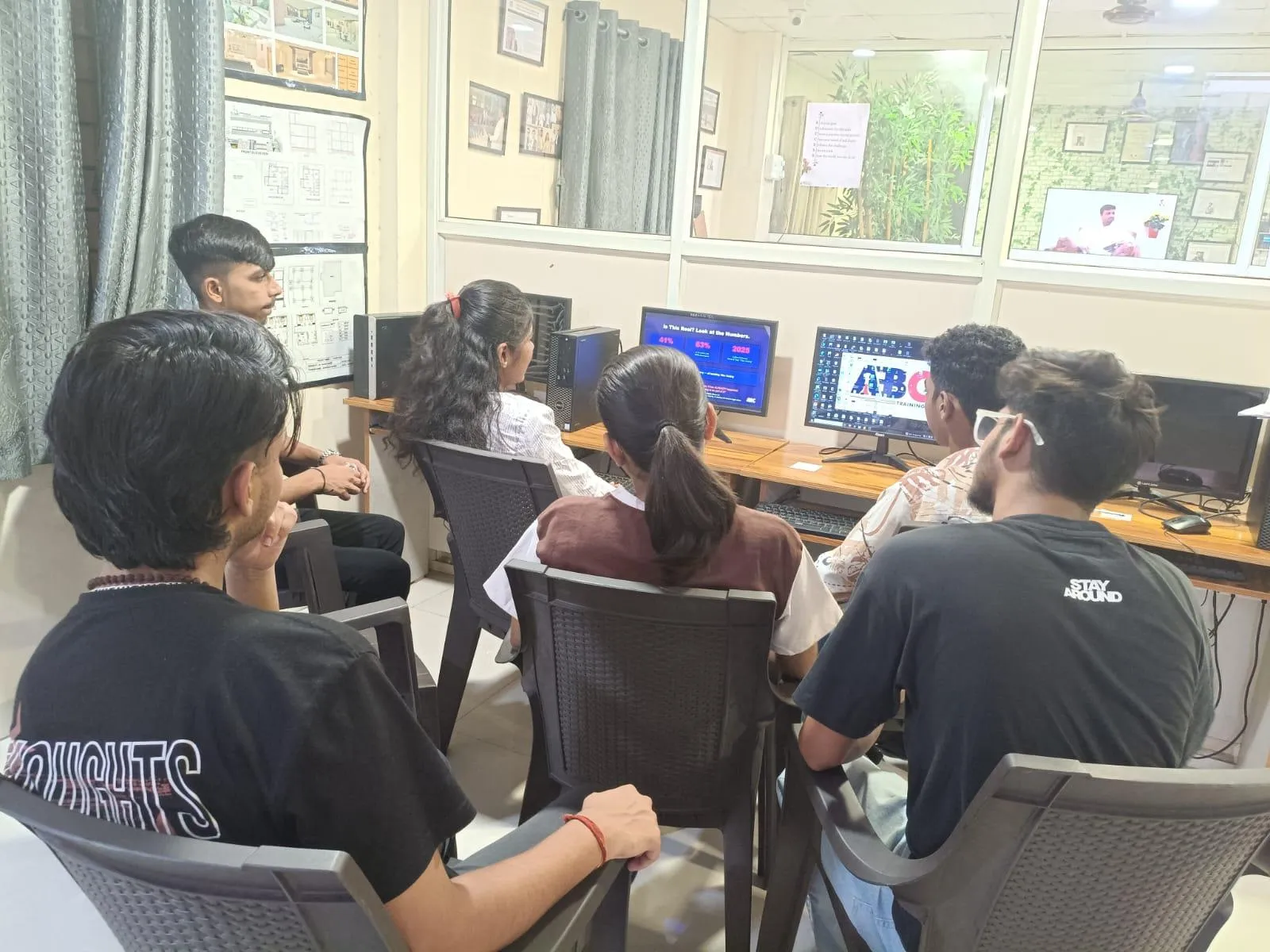
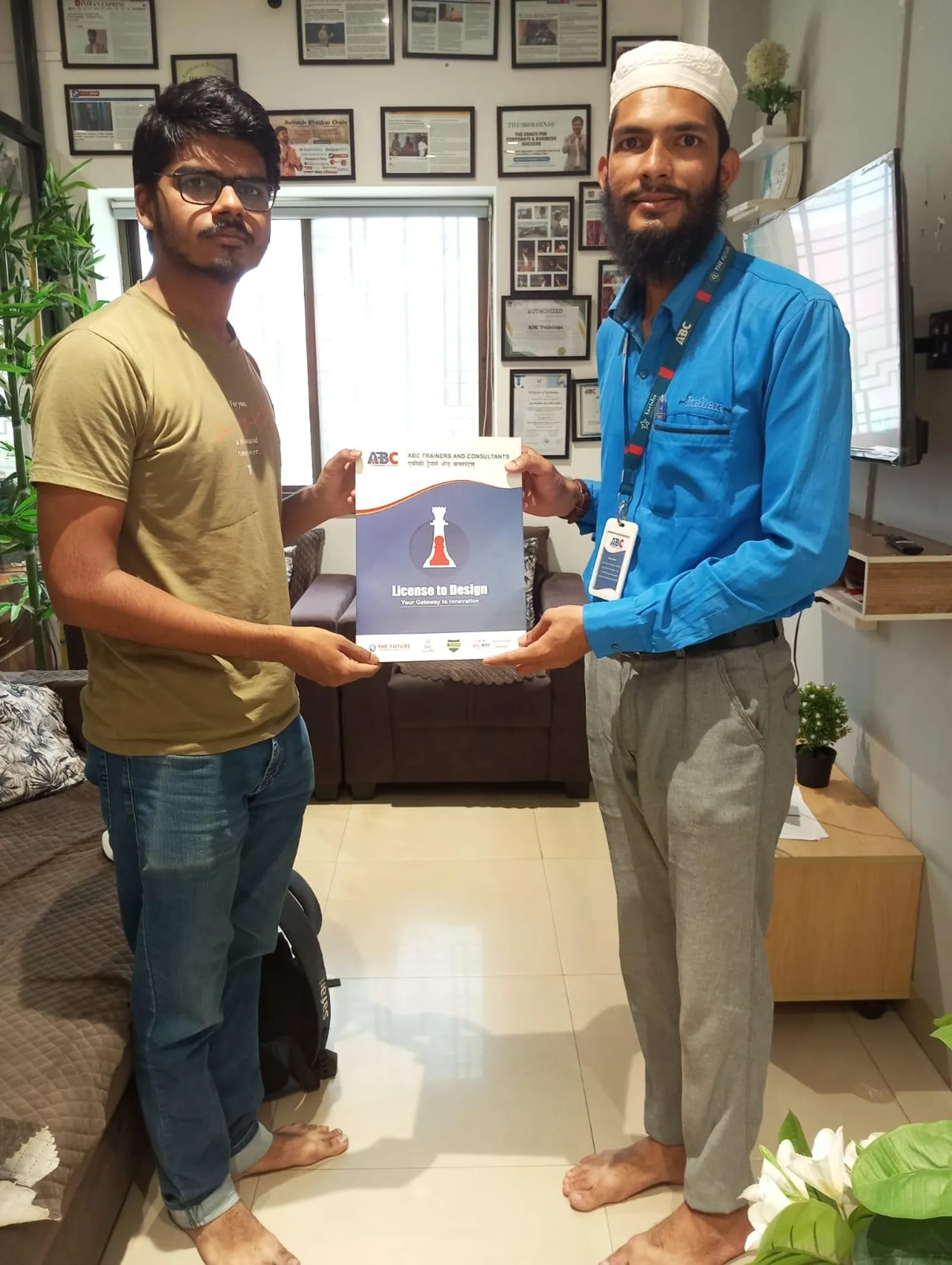
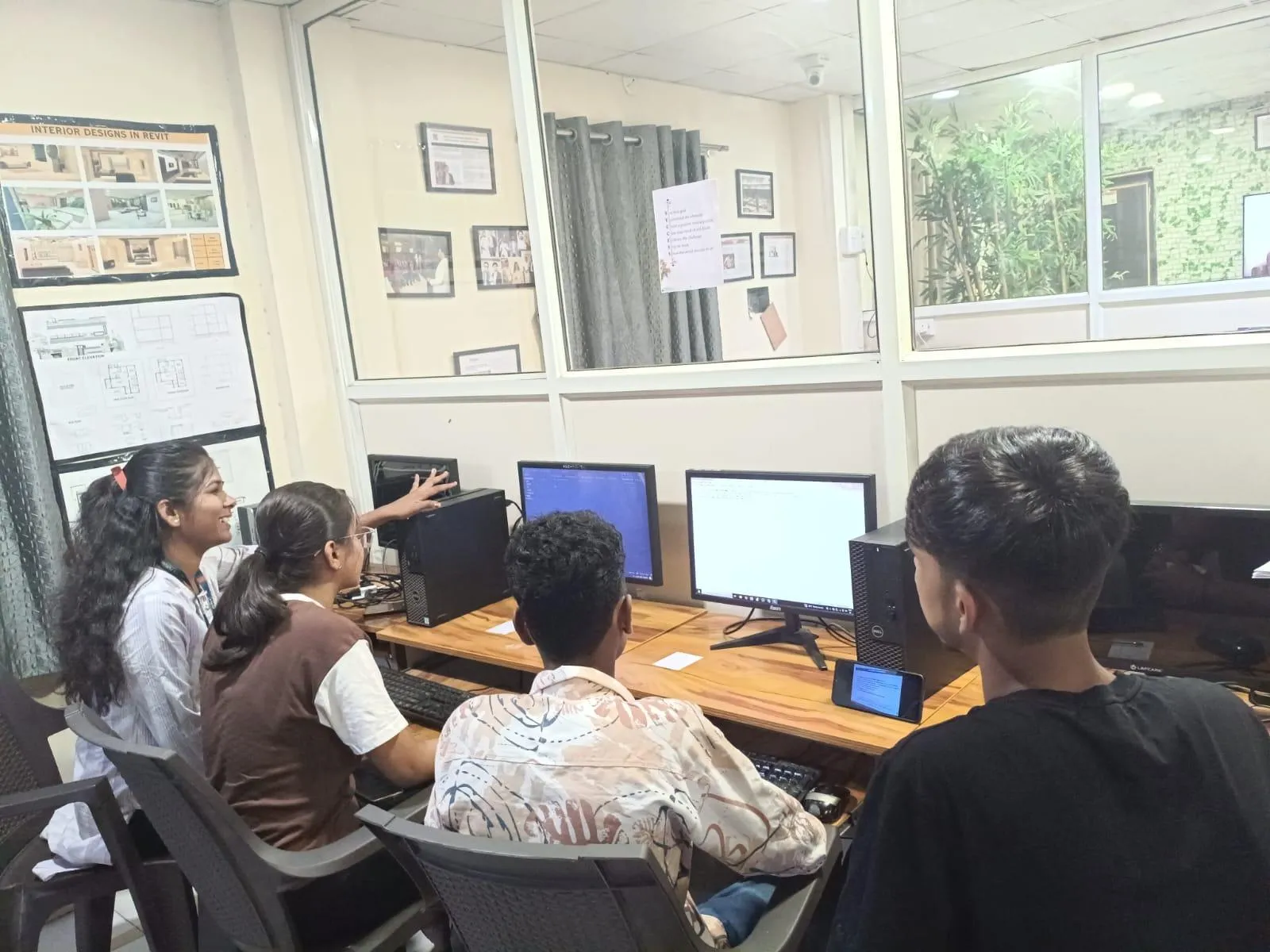
If you’re training at a serious institute like ABC Trainings, use the support properly. Don’t just attend class and disappear. Ask for feedback on projects, resume wording, interview answers, and where your portfolio looks weak. ABC Trainings has worked with students across Maharashtra, and that local understanding matters because students from Sangli often need guidance not just in coding, but in confidence and job positioning too. For course details, you can call 8698270088 or WhatsApp 7774002496.
What mistakes stop students from getting IT jobs after bootcamp?
The biggest mistake is expecting placement just because the course ended. It doesn’t work like that. The second mistake is making copied projects from YouTube without understanding them. The third is poor communication during interviews.
Let’s be blunt. If you say you built a React project but can’t explain state, props, routing, or API calls, interviewers know immediately. If your GitHub is empty, your resume has spelling mistakes, and you apply to 2 jobs a month, you’re making the process harder than it needs to be.
What most people don't realize is that consistency beats talent in entry-level hiring. A student from Sangli with 6 months of disciplined practice can absolutely outcompete a distracted student from Pune or Mumbai.
So, can a coding bootcamp from Sangli really change your career?
Yes, if you treat it like career training, not casual learning. After 1 month, you’ll understand the basics and build small websites. After 3 months, you’ll create job-relevant apps and start interview prep. After 6 months, you’ll have a real portfolio, deployment experience, and a profile ready for remote, hybrid, and fresher IT roles.
Trust me, the location is not the main barrier anymore. Skill gap is. If you close that gap with focused practice, project quality, and smart applications, getting an IT job from Sangli is absolutely possible in 2026.
Can I get an IT job from Sangli without an engineering degree?
Yes, many entry-level IT roles care more about skill, projects, and communication than your exact degree. BSc, BCA, BCom, diploma, and even non-technical graduates can enter through web development, testing, support, or junior coding roles. You’ll need stronger projects to compensate, but it is very possible in Maharashtra’s current hiring market.
How much salary can I expect after a coding bootcamp in Sangli?
For freshers, a realistic range is usually ₹2.4 lakh to ₹4.8 lakh per year. If your projects, communication, and interview performance are above average, you may reach ₹5.5 lakh or more in some startups or niche roles. Freelance work can add extra monthly income while you search for a full-time job.
Which coding stack is best for remote jobs from Sangli?
Full stack web development is one of the most practical choices because it opens frontend, backend, and freelance opportunities. A good stack would be HTML5, CSS3, JavaScript, React, Python or Node.js, SQL, Git, and deployment tools. This gives you enough range to apply for internships, junior developer roles, and project-based work.
How do I know if a coding institute in Sangli is actually placement-focused?
Check whether they teach with projects, GitHub usage, mock interviews, resume support, and real interview preparation. Ask what students are able to build after 1 month, 3 months, and 6 months. If the institute can’t explain the learning journey clearly, it’s a warning sign. You can also speak with ABC Trainings directly at 8698270088 or WhatsApp 7774002496 to understand the roadmap properly.
Visit Our Centers
Sangli
Sangli Branch
2nd Floor, Vasant Market, Opp. City High School, Sangli, Maharashtra 416416
Start Your Career Journey Today
Join 10,000+ students who transformed their careers with ABC Trainings.
💬 WhatsApp: 7774002496📞 Call: 8698270088