BIM-Based Quantity Takeoff in Pune 2026: How Revit and CostX Are Slashing BoQ Time by 70 Percent
Walk into any Pune contractor's office in 2016 and you would see ten quantity surveyors hunched over scale rules and paper drawings. Walk into the same office in 2026 and you will see three QS specialists, two large monitors each, a Revit model on one screen and CostX or Bluebeam Revu on the other. The manual paper-to-spreadsheet bill of quantities that used to take two to three weeks for a mid-size commercial project is now a five-day task — and in some Pune firms, under 72 hours. The engine behind that productivity jump is BIM-based quantity takeoff, and the quantity surveyors who have invested in the skill have quietly become some of the best-paid mid-career professionals on Pune's construction teams.
This article is a practical explanation of how BIM-based QTO works in a Pune firm, which tools are dominant in the city's market, the salary upside available to QS professionals who upskill, and the training sequence that turns a conventional quantity surveyor into a BIM-literate cost consultant.
What "BIM-Based Quantity Takeoff" Actually Means
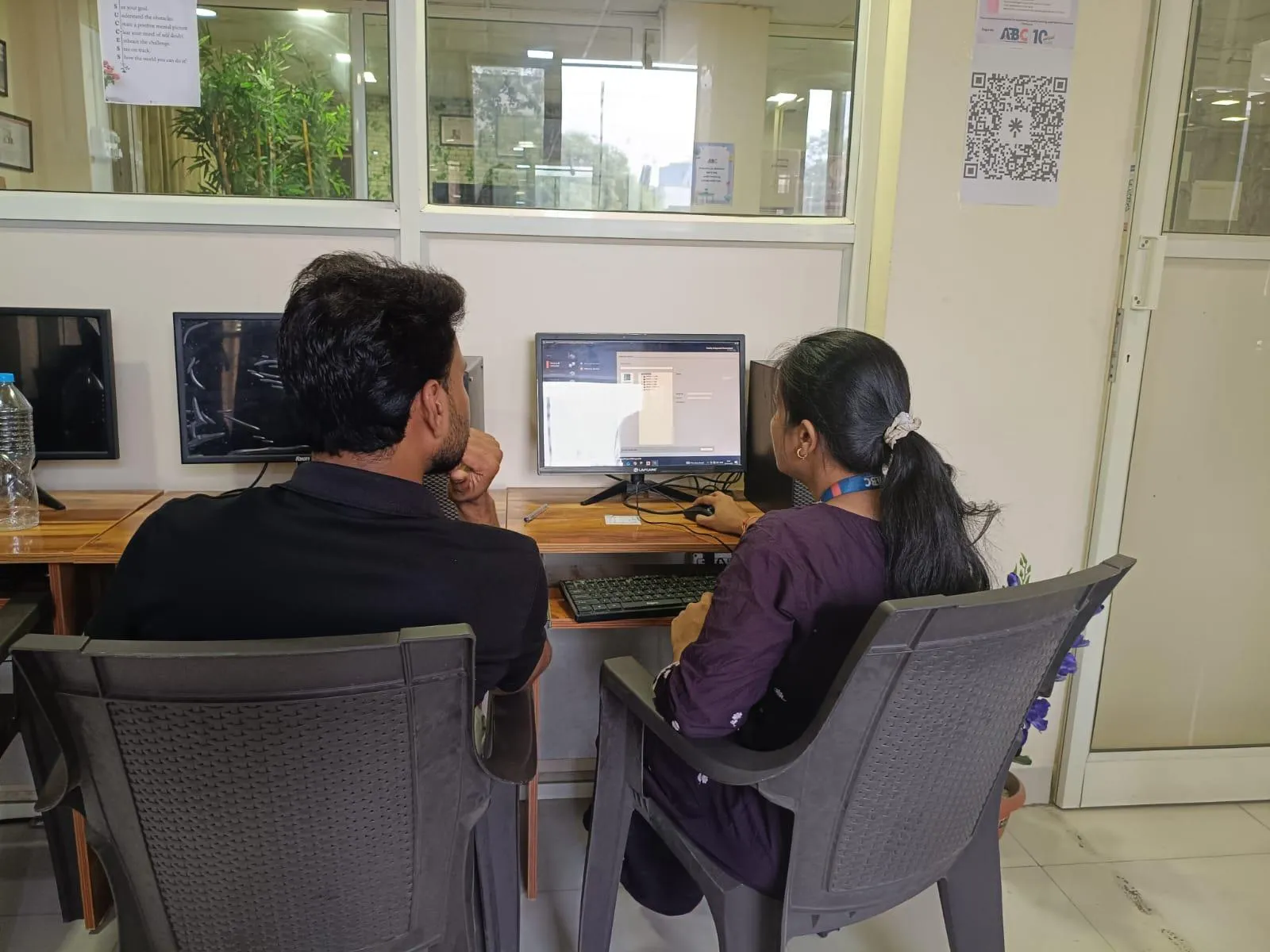
Traditional quantity takeoff extracts quantities from 2D drawings — scaling measurements off plans, sections, and elevations, then writing them into a spreadsheet or BoQ template. It is slow, error-prone, and deeply dependent on the QS professional's experience reading drawings correctly.
BIM-based takeoff extracts the same quantities directly from a 3D model, where every wall, beam, column, slab, door, window, pipe, and cable tray carries parametric data — length, volume, area, material, type, family, phase, and custom parameters the modeller has added. Software tools like CostX, Bluebeam Revu, Revit Schedules, and Navisworks Quantification pull this data into structured tables that mirror standard BoQ formats. The human QS professional still verifies, adjusts, and applies pricing — but the hours spent on raw measurement drop by roughly 60 to 80 percent on well-modelled projects.
Why Pune Contractors Have Moved to BIM-QTO
Three specific forces have accelerated BIM-based QTO adoption in Pune specifically. First, the commercial developer segment — Panchshil, Kolte-Patil, Amit Enterprises, Pharande Spaces, Gera Developments, and EON IT Park Phase II anchors — has standardised on Revit deliveries from their MEP and structural consultants, which means the models exist whether the QS team uses them or not. Second, the PMC (project management consultancy) layer that Pune's mid-market developers rely on — firms like Colliers, JLL, and CBRE in Pune, plus dedicated cost management boutiques like Currie & Brown and Turner & Townsend — have pushed BIM-QTO workflows as a competitive differentiator in fee proposals. Third, margin pressure on Pune contractors post-2022 has made every week of delayed BoQ production a direct profit leak.
The Tool Stack That Dominates Pune's BIM-QTO Work
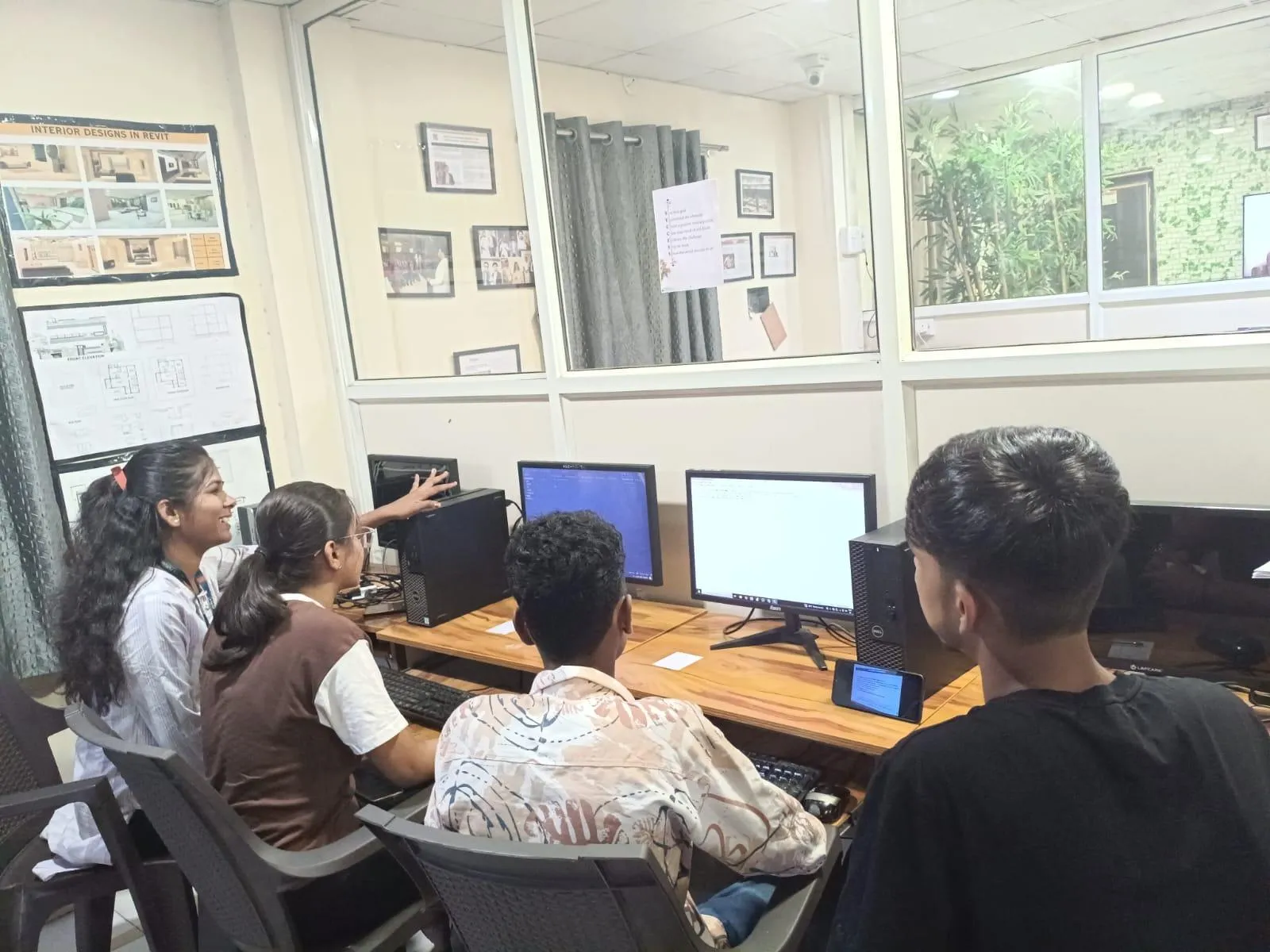
CostX is the commercial market leader for BIM-QTO in Pune. Roughly 60 percent of Pune firms using any BIM-QTO workflow use CostX or its derivatives. It supports 2D takeoff from drawings and direct 3D takeoff from IFC or native Revit models, with built-in rate libraries and BoQ output formats.
Bluebeam Revu is the second most common tool, especially in smaller firms. It is cheaper and more flexible but requires more manual effort compared to CostX for large models.
Native Revit Schedules are used alongside either of the above tools. A Revit-fluent QS can generate component schedules directly from the model, export to Excel, and cross-verify against CostX numbers.
Navisworks Quantification is increasingly used for federated models that combine deliverables from multiple consultants. It is powerful for complex coordination-heavy buildings where quantities must be aggregated across disciplines.
RIB Candy and Autodesk Construction Cloud's cost module appear in a smaller slice of the Pune market, mostly at large EPC contractors with international ownership.
What a BIM-Based QTO Workflow Looks Like on a Pune Project
On a typical ₹150-crore commercial tower in Kharadi, the BIM-QTO workflow runs roughly as follows. The architect issues the Revit model at Level of Development 300. The structural consultant issues their model at LOD 350. The MEP consultant delivers at LOD 300 or 400. The QS team federates the three models in Navisworks or imports them individually into CostX.
The lead QS then runs takeoff for each element category — walls by type and thickness, slabs by area and thickness, doors and windows by family, finishes by material parameter, piping by diameter and material, cable tray by type, and so on. CostX automatically aggregates results into BoQ tables. The QS adjusts for items not captured in the model — wastage, formwork, shuttering, scaffolding, site mobilisation — and applies rates from the firm's internal rate library.
The final BoQ is then issued. Under the traditional approach this cycle took 14 to 21 days on the same project. Under the BIM-QTO workflow it now takes 4 to 7 days.
The Salary Upside for BIM-QTO Specialists in Pune
A conventional quantity surveyor in Pune with three to five years of experience earns ₹4.5 to ₹6.5 LPA. A BIM-literate QS at the same experience level earns ₹7.5 to ₹11 LPA. By seven to ten years of experience the gap widens further — conventional QS professionals plateau at ₹8 to ₹10 LPA, while BIM-QTO specialists cross ₹14 to ₹20 LPA, with senior cost consultants at international PMCs in Pune reaching ₹25 LPA.
The reason for the gap is simple. BIM-QTO requires a hybrid skill set — traditional cost engineering plus software fluency — and the supply of professionals who have both is significantly short of Pune's demand. A seasoned QS who invests six to nine months into Revit, CostX, and Navisworks comfortably moves into the higher band inside 18 months.
The Training Sequence That Works
For a working quantity surveyor in Pune, the practical upskilling pathway runs in four phases.
Phase one — Revit fluency without becoming a modeller. The goal is to open any Revit model, navigate it, filter elements by type, read parameters, export schedules, and understand what level of information the model contains. This usually takes eight to ten weeks of part-time study.
Phase two — CostX or Bluebeam Revu proficiency. Loading models, configuring workbooks, running takeoff, rate application, and BoQ export. This typically takes six to eight weeks.
Phase three — Navisworks Quantification and federated workflows. Combining multi-discipline models, running quantification across federation, and cross-checking against native Revit schedules. Four to six weeks.
Phase four — Project execution capstone. Running a full BIM-QTO cycle on a real or structured training project from model receipt to final BoQ delivery. Six to eight weeks, typically overlapping with the first on-the-job opportunity.
Total elapsed time for a working QS professional upskilling in parallel with their day job: six to nine months. ABC Trainings in Pune runs this pathway from the Wagholi and Hadapsar campuses with evening and weekend cohort options, plus targeted placement support for QS professionals moving to BIM-first firms.
Where the Demand Is Concentrated
The hiring firms most aggressively recruiting BIM-QTO professionals in Pune in 2026 are: Turner & Townsend Pune, Currie & Brown Pune, Colliers Cost & Project Management, WSP Cost Management Pune, Arcadis Pune, Gleeds, Mace, and the in-house cost teams at Panchshil, Kolte-Patil, Kumar Properties, and Pharande Spaces. Independent boutiques in Baner and Aundh also hire for BIM-QTO roles on a project basis.
What Pune QS Professionals Should Do This Quarter
The transition is self-reinforcing. Every Pune firm that adopts BIM-QTO pulls its supplier and consultant network further into the workflow, which means a QS professional who waits another two years to upskill will find the entry bar considerably higher. The cohort of QS specialists who invested in Revit plus CostX between 2021 and 2024 already dominate Pune's best-paid cost roles. The cohort that invests in 2026 will own the next seven to ten years of mid-career hiring.
Enrolment for the next BIM-QTO batches at ABC Trainings Wagholi and Hadapsar is open. Counselling is available on WhatsApp at 7774002496 or by calling 7039169629.