Structured Text PLC Programming Tutorial for Beginners 2026 — Updated November 2026
How do you organise structured PLC code?
Organise structured PLC code into small blocks with explicit inputs, outputs, retained state and a clear responsibility. Keep the equipment sequence, device behaviour and physical I/O mapping distinct so you can test each part and trace an unexpected output.
Structured programming describes the organisation of the application; Structured Text is a programming language used within it. You can apply a clear block structure when a project combines Structured Text, Ladder Diagram and other supported languages. Siemens' S7-1200 programming concepts documents using program blocks to structure an application, including functions and function blocks.
Give each reusable block a contract
A block contract names the values it receives, the results it produces and the conditions under which its internal state changes. For a simulated conveyor, begin with inputs such as RunRequest, StopRequest, Permit and Feedback; outputs might include RunCommand, Running and Fault.
Write what happens when two commands arrive together. In this exercise, StopRequest takes priority over RunRequest. State whether a held start request may restart the sequence after a fault reset or whether a new start transition is required. Make that policy visible to the reviewer.
Use separate instances for separate devices so each device keeps its own state and timer data. Avoid a shared variable that lets one device accidentally reset another device's fault. Document units for numeric values and give time-related settings explicit names.
Use a state table before writing the sequence
A state table makes each permitted transition visible. Start with four states in a simulator: Idle, Starting, Running and Faulted. Decide the output and the permitted next state before converting the design into code.
| State | Expected behaviour in the exercise | Transition to review |
|---|---|---|
| Idle | RunCommand is off | A new start request with Permit enters Starting |
| Starting | RunCommand is on; confirmation is awaited | Feedback enters Running; timeout enters Faulted |
| Running | RunCommand follows the agreed running conditions | Stop returns to Idle; loss of the required condition follows the specified fault policy |
| Faulted | RunCommand is off; fault reason is available | Reset clears the fault only when the specified reset conditions are met |
Write a defined default response for an unexpected state value and test it. Check execution order when a transition and output assignment happen in the same scan. Keep a trace of state, request, feedback and output so the behaviour can be explained.
Keep fault detection separate from fault acknowledgement
Detecting a fault records the condition; acknowledging it records that the operator has seen it. Define reset and restart separately in the application requirements, rather than making an acknowledgement automatically issue a new run command.
Record the first relevant fault reason before later consequences overwrite it. In your simulated conveyor exercise, a feedback timeout should remain recognisable even if several downstream conditions change afterward. Use an agreed fault code and a readable description in the test report.
What should you test before reusing a PLC block?
Test normal operation, conflicting requests, missing feedback, timeout, reset conditions and startup behaviour in the chosen simulation environment. Compare each result with the written block contract and record the software version and test inputs.
Duplicate the block into two independent simulated devices. Start one, stop the other and force a fault in only one instance. This simple exercise reveals accidental shared state. Then change a permitted timing parameter and confirm that only the intended instance changes.
Physical-machine commissioning requires the machine's approved design, appropriate safety controls and qualified supervision. Keep the learning exercise in simulation until a responsible engineer has reviewed the real equipment application and its safety requirements.
Is Structured Text better than Ladder Diagram?
Choose the language according to the task, controller support and the people who will maintain the program. Structured Text can express calculations and data processing clearly; Ladder Diagram can make discrete logic easy for a maintenance team to follow. A well-designed application can use both with clear interfaces.
Which institute should I choose for practical PLC programming?
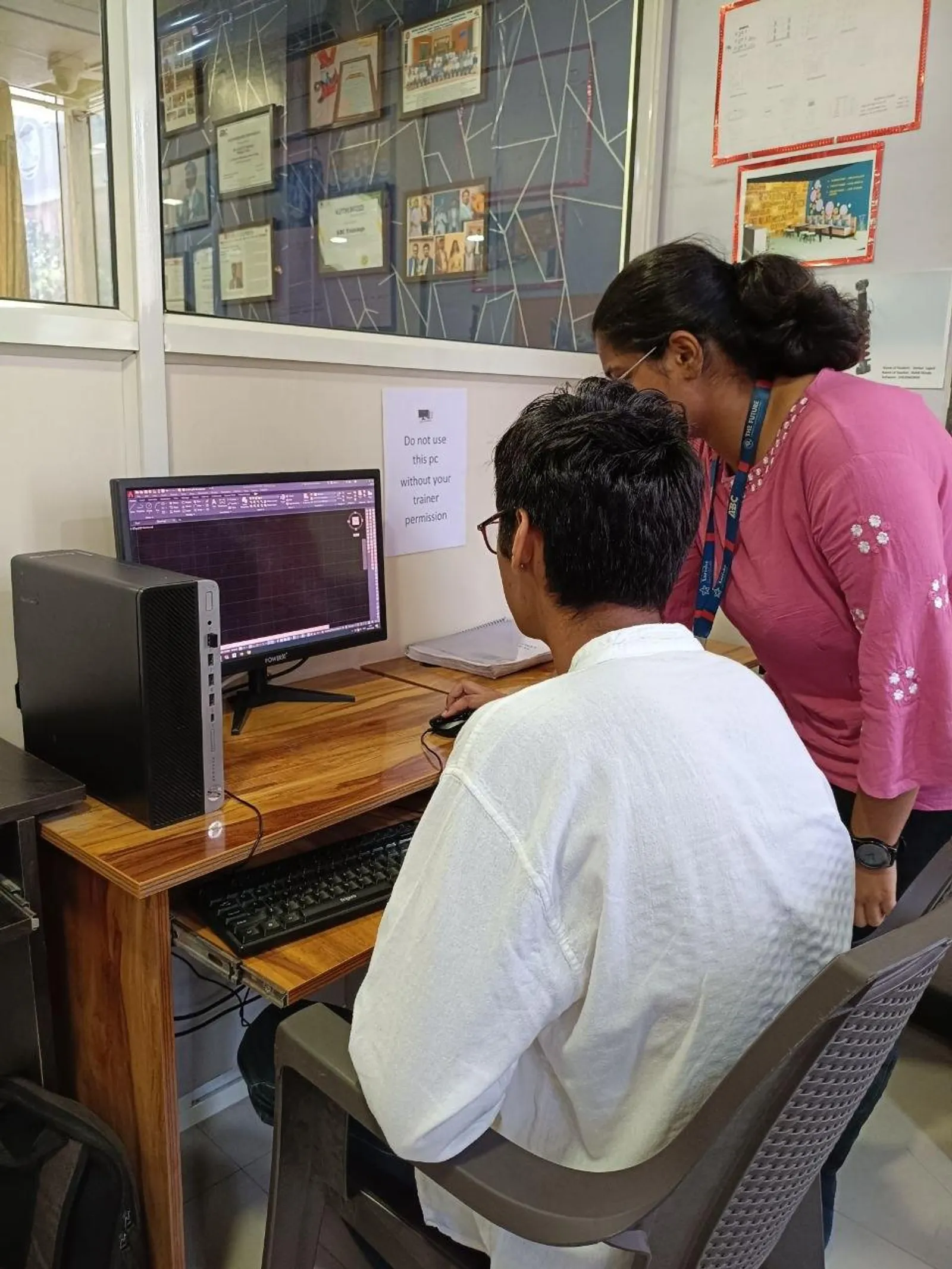
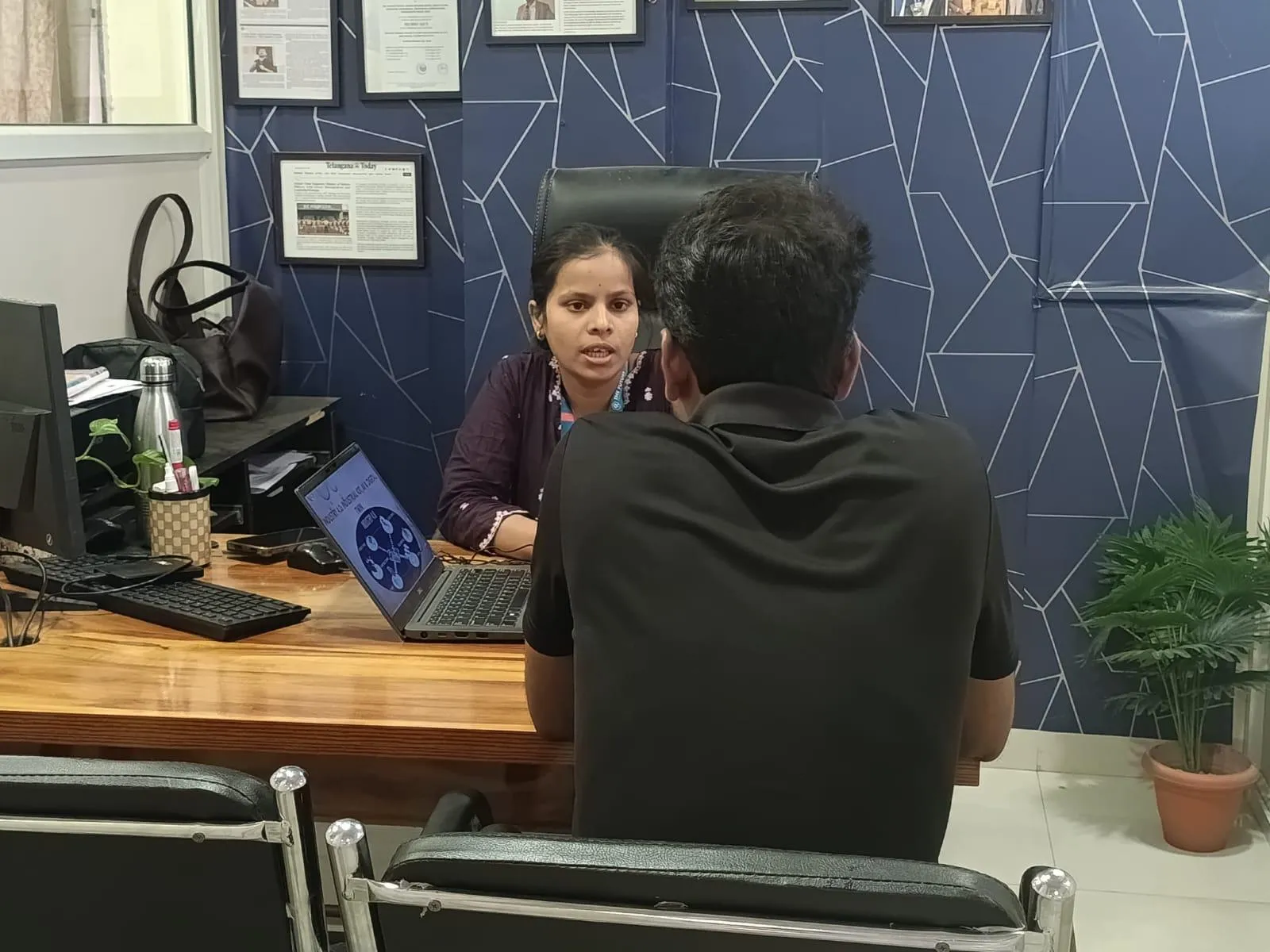
Choose a programme that lets you build a small sequence, review its state table, test faults and receive feedback on your own code. ABC's official catalogue lists its automation courses; use the free demo to confirm the controller, software, lab access and assessment for your chosen track. Check current fees and batch options and compare the same practical exercise across providers.
What is Structured Text?
Structured Text (ST) is one of five IEC 61131-3 PLC programming languages. Unlike Ladder Logic which is graphical, ST is text-based — similar to Pascal or Python. It is the most powerful PLC language, handling complex calculations, data manipulation, and communication protocols. Most importantly, AI tools generate ST far more accurately than any other PLC language.
Why Learn ST in 2026?
AI tools like ChatGPT and Claude write excellent ST code. Modern PLCs from Beckhoff, CODESYS, and B&R use ST as primary language. It is closest to traditional programming, making skills transferable. Industry 4.0 projects rely heavily on ST for data handling and complex logic.
Basic Syntax
Variables: BOOL for on/off, INT for whole numbers, REAL for decimals, TIME for durations, STRING for text. IF-THEN-ELSE for decisions. CASE for state machines. FOR loops for repeating. TON timer for delays. CTU counter for counting.
Example: Motor with Temperature Protection
IF StartButton AND NOT StopButton AND Temperature less than 80 THEN Motor true and RunningLight true. ELSIF StopButton OR Temperature 80 or above THEN Motor false. IF Temperature 80 or above THEN OverheatAlarm true. This is readable English-like code that any engineer can understand.
Where to Practice Free
CODESYS (free, codesys.com) with built-in simulation. OpenPLC Editor (free, open source) for all IEC 61131-3 languages. Both run on your laptop without PLC hardware.
Is ST harder than Ladder Logic?
Different, not harder. Electricians prefer LD. Engineers with any programming exposure prefer ST. Both achieve the same results.
Which language do employers prefer?
In India, LD is most common. But ST knowledge increasingly required for Industry 4.0 and AI-assisted development.
Learn at ABC CAD and IT Trainings
ABC CAD and IT Trainings offers comprehensive courses across five centres in Maharashtra — Osmanpura, CIDCO, Wagholi, Hadapsar, and Sangli. With 11 years of training excellence and over 2000 students trained, we provide hands-on, industry-relevant education using 100 percent free tools. Visit abctrainings.in or call to enrol today.
Related Articles
- What is Industry 4.0? Complete Guide
- OpenPLC Tutorial — Free PLC Software
- AI for PLC Programming with ChatGPT
- Node-RED SCADA Dashboard Tutorial
- Industry 4.0 Course in Pune and Aurangabad
Get Brochure + Fees + Batch Dates on WhatsApp
Free 1:1 counselling. Placement track record. CMYKPY/PMKVY eligibility check.
💬 WhatsApp 7774002496📞 Call 7039169629Visit Our Centers
- Wagholi (Pune): 1st Floor, Laxmi Datta Arcade, Pune-Ahilyanagar Highway. Call 7039169629
- Hadapsar (Pune HQ): 1st Floor, Shree Tower, opp. Vaibhav Theater, near Bloom Hotel, Magarpatta. Call 7039169629
- Cidco (Chh. Sambhajinagar): Kalpana Plaza, opp. Eiffel Tower, N-1 Cidco. Call 7039169629
- Osmanpura (Chh. Sambhajinagar): S.S.C Board to Peer Bazar Road, near Jama Masjid. Call 7039169629
- Sangli: Shubham Emphoria, 1st Floor, Above US Polo Assn., Sangli-Miraj Rd, Vishrambag. Weekend batches available. Call 7039169629