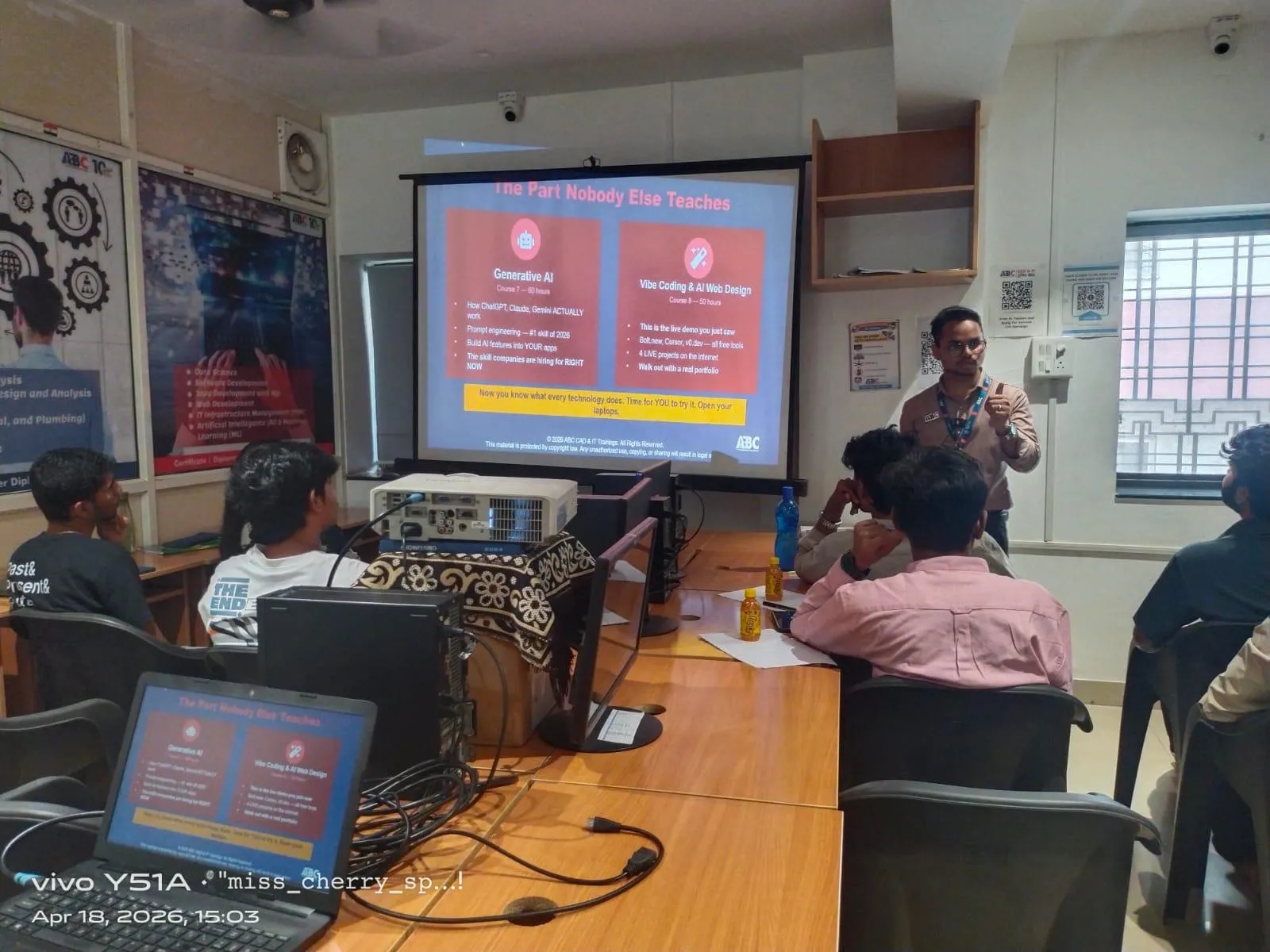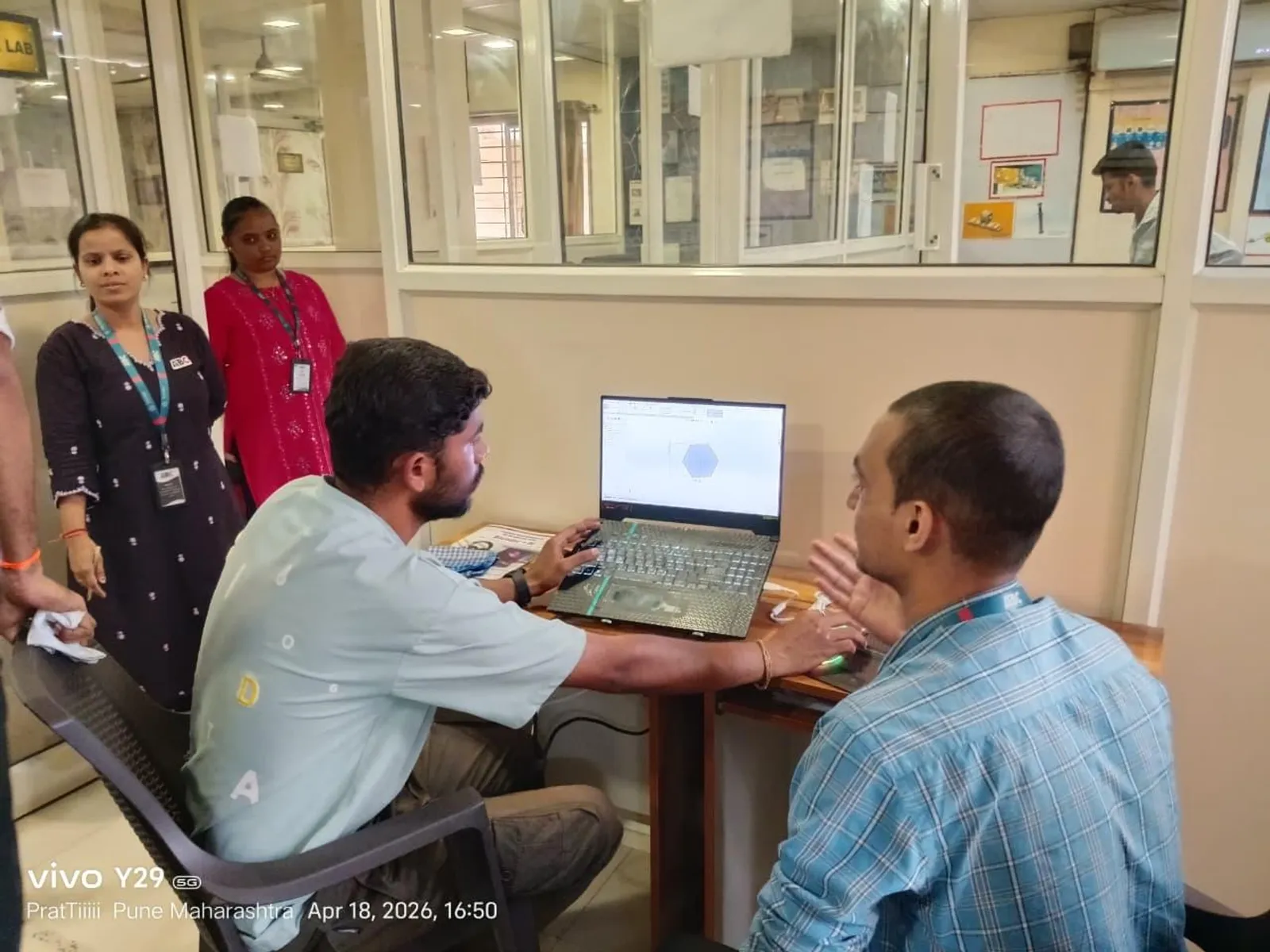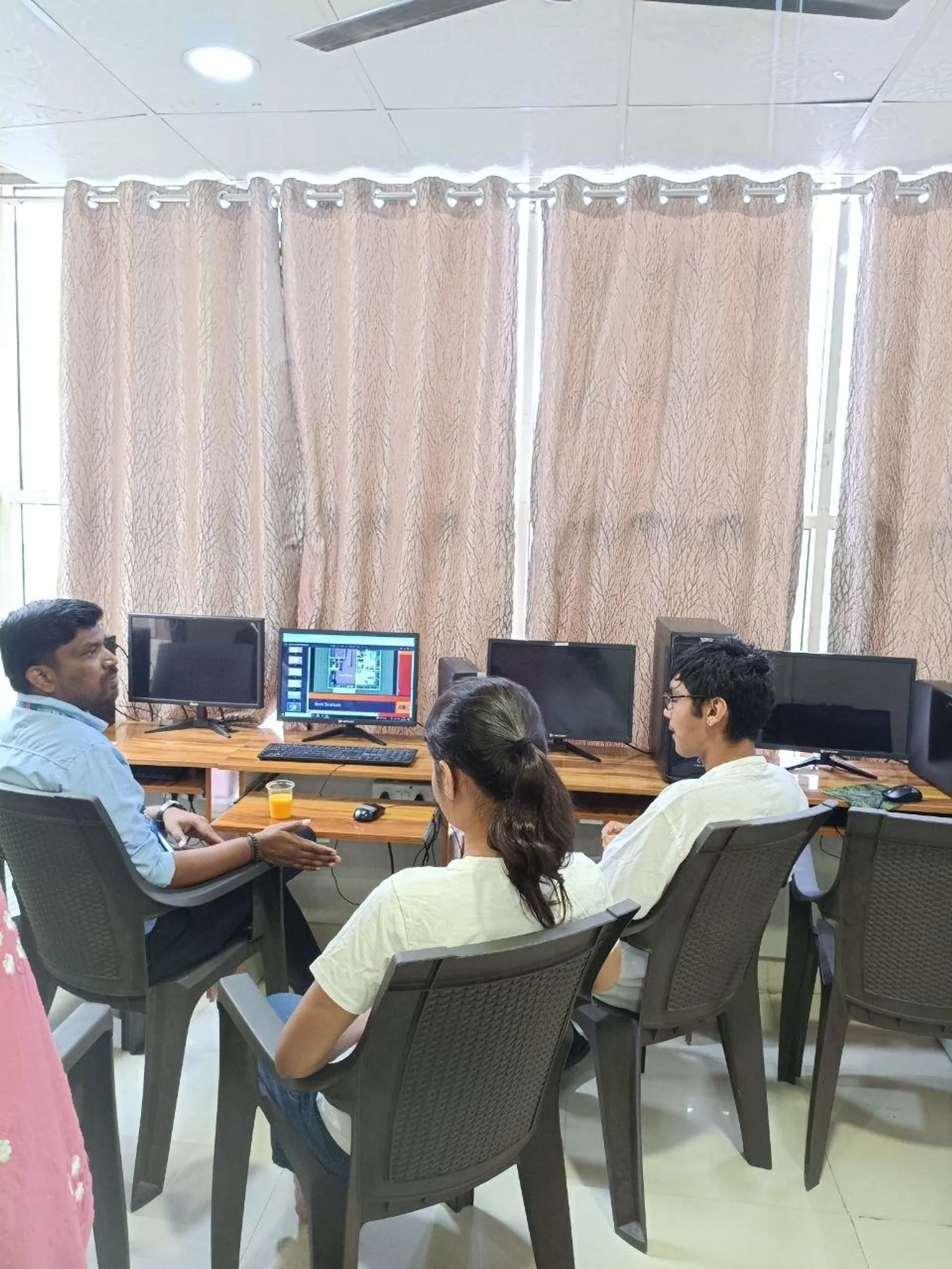
Training institute lead management in India has become much more than answering calls and writing names in a register. If you're already familiar with basic inquiry handling, this is where things get serious. The Sangli office vlog from ABC Trainings gives a simple but useful window into what actually matters inside a growing institute: clean lead flow, fast response time, branch coordination, and a positive office environment that students can feel even before they enroll. Here's the thing: most people look at admissions as a front-desk task. In reality, it's an operations system. When that system improves, student experience improves, counselor productivity improves, and conversions usually follow.

The vlog mentions updates made over eight to nine months, a peaceful office setup, and Sayli's expanded role in handling leads for all branches. That one detail tells you a lot. What most people don't realize is that once one person starts managing multi-branch inquiries, the institute needs tighter processes, not just more effort. Trust me, this is exactly where many training businesses in Maharashtra either scale properly or get stuck in chaos.
How do training institutes in India manage leads efficiently in 2026?
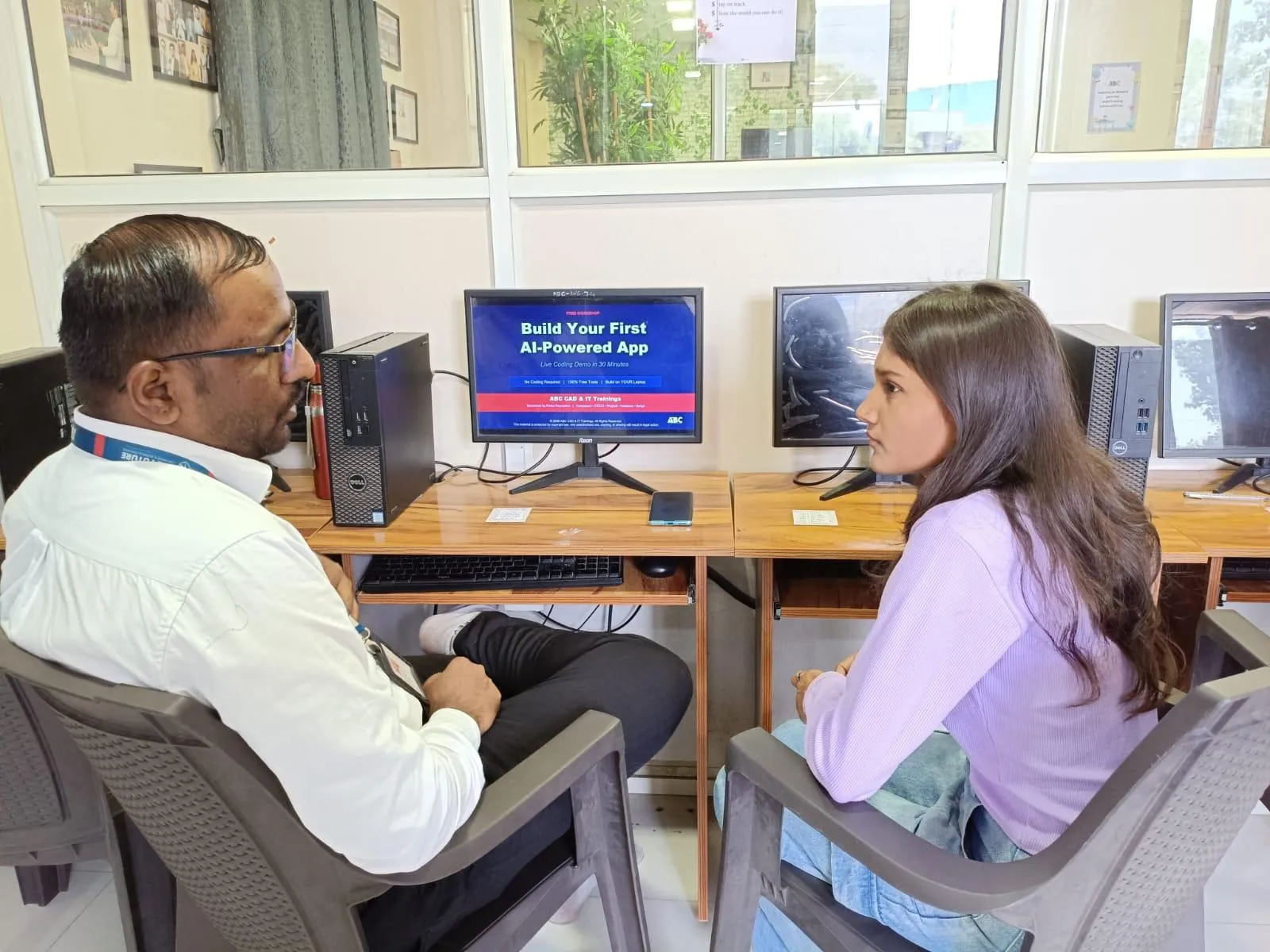
At the basic level, every institute captures name, phone number, course interest, and city. But advanced lead management means going deeper into lead quality, urgency, and intent. A serious setup should classify inquiries into categories like fresh lead, follow-up pending, demo scheduled, counseling done, fee discussion, not interested, and future prospect.
If a Sangli student asks about AutoCAD, Revit, Python, or software testing, that inquiry shouldn't sit in one generic inbox. It should move into a structured pipeline. The good news is, even small institutes can build this without expensive systems if their process is disciplined. The moment leads are distributed across branches like Chhatrapati Sambhajinagar, Pune, and Sangli, tagging becomes non-negotiable.
Advanced teams also track source quality. Was the lead from YouTube, Google Maps, Instagram, walk-in, referral, or WhatsApp? That matters because conversion behavior changes by source. A referral lead often needs less trust-building than a cold digital lead. A WhatsApp lead may respond faster than an email lead. If you're handling all branches, this kind of sorting saves hours every week.
What is the best workflow for student inquiry follow-up?
A power-user workflow starts with response speed. Ideally, first contact should happen within 5 to 15 minutes during office hours. After that, follow-up timing should depend on the student's stage, not on random reminders. For example:
- Day 0: inquiry received, first call and WhatsApp message
- Day 1: course details, fees, batch timing, placement discussion
- Day 3: doubt resolution and counseling push
- Day 7: urgency-based follow-up with next batch reminder
- Day 15: reactivation for undecided candidates
Now let's go one level deeper. Mature teams don't send the same script to every student. A mechanical diploma student in Sangli asking about CAD/CAM has different concerns than a Pune IT graduate asking about software testing or data science. One wants job relevance in manufacturing companies like Bajaj Auto, Tata Technologies, Mahindra Engineering, Bosch, or Kirloskar. Another wants project exposure and placement confidence for Infosys, TCS, KPIT Technologies, or Siemens-linked roles.
That means your follow-up notes need context. Not just “called, no response,” but “interested in weekend batch, waiting for parents' approval,” or “comparing course with local low-cost option,” or “wants placement support in Pune.” Those details improve conversion more than people expect.
How should one person handle leads for multiple branches?
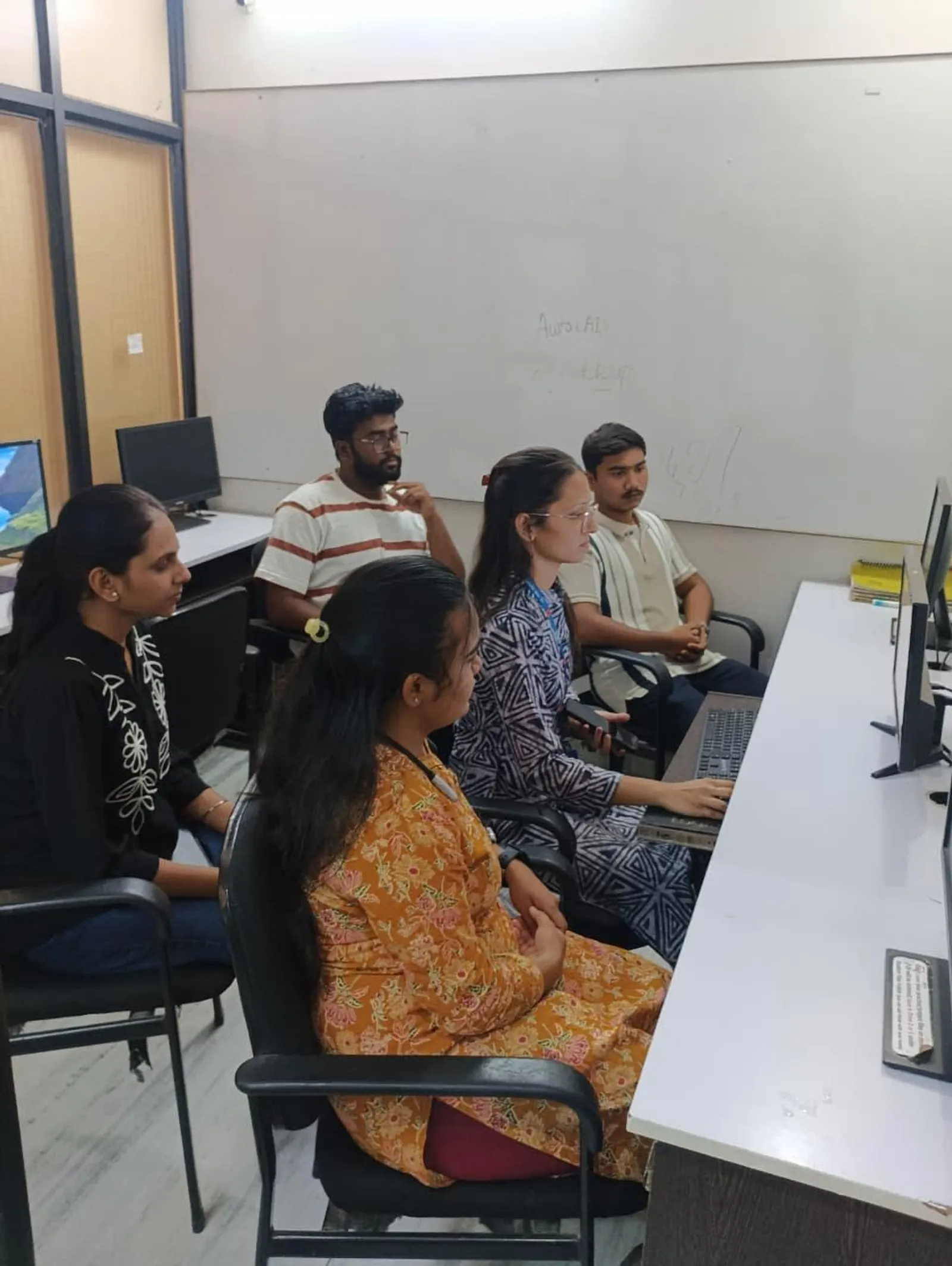
This is where many institutes fail. When one coordinator starts handling leads for all branches, the workload doesn't just increase. Complexity increases. To manage this well, you need branch-level filters, response templates, and escalation rules.
Let's say Sayli handles leads across branches. The smartest setup would separate inquiries by city, course, and urgency. Sangli walk-ins should be prioritized differently from Pune online inquiries. Students asking for immediate admission should be flagged ahead of general “just checking” inquiries. If a candidate needs a counselor call-back for a technical discussion, that handoff should happen the same day.
One advanced trick professionals use is maintaining a short internal note format:
- Course
- Location preference
- Budget comfort
- Joining timeline
- Parent involvement
- Job expectation
With that format, anyone in the team can understand the lead quickly. No confusion, no repeated questioning, no awkward student experience.
Why does office environment matter in lead conversion?
The vlog highlights a peaceful and positive office environment. That isn't a small thing. Students notice energy immediately when they walk in or even when they speak on the phone. If the team sounds rushed, disconnected, or unclear, trust drops.
Here's the thing: admissions isn't only about sales skill. It's about confidence transfer. A calm office usually means the team knows what it's doing. That reflects in better conversations, cleaner data handling, and fewer missed follow-ups. Parents especially respond to this. In Maharashtra cities like Sangli, Kolhapur, Satara, Pune, and Chhatrapati Sambhajinagar, parents often influence final enrollment decisions. A professional office experience can be the deciding factor.
ABC Trainings appears to understand this well. When student feedback remains positive and internal operations improve over time, that's usually a sign the institute isn't just growing outwardly. It's fixing systems inside.
What advanced lead management metrics should institutes track?
If you want professional-level control, don't stop at inquiry count. Track metrics that actually show performance:
- Lead-to-call ratio
- Call-to-counseling ratio
- Counseling-to-admission ratio
- Branch-wise conversion rate
- Course-wise inquiry trends
- Average first response time
- Reactivation success rate
What most people don't realize is that one weak stage can damage the whole system. You may have plenty of leads but poor conversions because follow-up is late. Or counseling may be strong, but fee explanation may be inconsistent. Once you track stage-wise movement, the problem becomes visible.
For instance, if software testing inquiries from Pune convert at 18% but CAD inquiries from Sangli convert at 31%, the institute can study why. Is it pricing? Batch timing? local demand? counselor quality? This is the difference between guessing and managing.
How can training institutes improve student communication without sounding robotic?
Templates help, but over-scripted communication hurts trust. The best teams use structured messaging with human variation. A student should feel guided, not processed. So instead of sending a generic paragraph, use short, useful messages:
- course overview
- software covered
- batch options
- placement support details
- nearest branch info
Then personalize the next message based on the student's concern. Trust me, this one change improves response quality a lot. If someone is confused between electrical design and PLC SCADA, don't send a broad brochure and hope for the best. Clarify career path, tools, and expected salary range.
For many technical courses in Maharashtra, fresher salaries typically begin around ₹1.8 lakh to ₹3.6 lakh per year depending on skill, city, and software proficiency. Candidates trained well in advanced CAD, BIM, testing, Python, or automation can move toward ₹4.2 lakh to ₹6.5 lakh with the right portfolio and interview readiness. That's why counseling must be specific and honest.
What systems should a growing institute standardize first?
If an institute is scaling branch operations, these are the first systems to lock down:
- single lead capture format
- same-day callback rule
- branch assignment logic
- follow-up status labels
- daily pending lead review
- weekly source analysis
- student feedback logging
Once these are stable, the team can handle higher inquiry volume without losing student trust. This is especially important when students compare multiple institutes in cities like Pune and Sangli. They notice who responds clearly, who remembers prior discussion, and who explains outcomes honestly.
If you're evaluating how a serious institute operates behind the scenes, the Sangli office vlog is a useful reminder that growth isn't only about classrooms and software labs. It's also about process maturity. And if you want to understand how a professional team handles student inquiries across branches, you can contact ABC Trainings at 7039169629 or WhatsApp 7774002496.
Is lead management really important for a training institute in Maharashtra?
Yes, absolutely. In cities like Sangli, Pune, and Chhatrapati Sambhajinagar, students usually compare two to five institutes before joining. If follow-up is delayed or unclear, the student often moves on. Good lead management improves both admissions and student trust.
Can one person manage inquiries for multiple branches effectively?
Yes, but only with a proper system. The person needs lead tags, branch filters, clear notes, and defined handoff rules. Without that, important inquiries get missed or repeated. Multi-branch handling works best when the workflow is standardized from day one.
What is a good response time for student inquiries?
During office hours, 5 to 15 minutes is ideal for first response. If that's not possible, same-day contact should be the minimum standard. Faster responses usually improve counseling attendance and admissions. Students asking on WhatsApp often expect a reply even quicker.
How do I know if a training institute is professionally managed?
Check how they respond, how clearly they explain courses, and whether they remember your needs in follow-up. A professionally managed institute gives specific information on software, batches, fees, and placement support without confusion. Positive office culture and organized communication are strong signs too.
Visit Our Centers
Chhatrapati Sambhajinagar
Corporate Office (HQ)
2nd Floor, Kandi Towers, Jalna Road, Amarpreet Chowk, Chhatrapati Sambhajinagar, Maharashtra 431001
Osmanpura Branch
Plot No 14, Shanya Sect, Near Sant Eknath Rang Mandir, Osmanpura, Chhatrapati Sambhajinagar, Maharashtra 431005
CIDCO Branch
Plot No 4, N-3, Cidco, Opp. High Court, Chhatrapati Sambhajinagar, Maharashtra 431003
Pune
Wagholi Branch
1st Floor, ABC Trainings, Laxmi Datta Arcade, Pune - Ahilyanagar Hwy, Wagholi, Pune, Maharashtra 412207
Hadapsar Branch
Bloom Hotel, ABC Trainings 1st Floor, S.no 156/3 Shree Tower Pune - Solapur Rd, Hadapsar, Pune, Maharashtra 411028
Sangli
Sangli Branch
2nd Floor, Vasant Market, Opp. City High School, Sangli, Maharashtra 416416
Start Your Career Journey Today
Join 10,000+ students who transformed their careers with ABC Trainings.
💬 WhatsApp: 7774002496📞 Call: 7039169629